
Industrial argon is one of the most widely used inert gases in modern manufacturing, precision applications, and advanced technologies. Unlike common atmospheric gases, argon’s unique physical and chemical properties make it indispensable for processes that require clean, non-reactive environments. Whether you are a procurement manager, engineer, or technical decision maker, understanding industrial argon—from its uses to supplier selection—can improve efficiency, safety, and cost control.
What Is Industrial Argon?
Argon (Ar) is a colorless, odorless, and inert noble gas that naturally occurs as a component of Earth’s atmosphere. In industrial settings, argon is typically supplied in compressed gas cylinders or in bulk liquid form.
Key characteristics:
- Chemically inert — does not react with most materials
- Non-toxic and non-flammable
- Excellent shielding and insulation performance
- Wide temperature stability
- Easy to store and handle in pressurized form
Because of these properties, industrial argon creates controlled atmospheres that protect against oxidation, contamination, and unwanted chemical reactions.
Why Is Industrial Argon Important?
Industrial argon is critical in applications where purity, precision, and non-reactivity are required.
1. Welding and Metal Fabrication
Argon serves as a shielding gas in TIG (Tungsten Inert Gas) and MIG (Metal Inert Gas) welding. By surrounding the weld area with an inert atmosphere, argon protects molten metal from oxygen and nitrogen in the air, resulting in:
- Reduced oxidation
- Cleaner welds
- Increased strength and structural integrity
2. High-Temperature Processes
In furnace atmospheres used for heat-treating, annealing, or sintering, argon prevents undesirable chemical reactions that can alter material properties.
3. Electronics & Semiconductors
Argon is used for purging, deposition, and controlled atmospheres during semiconductor manufacturing and flat panel fabrication. Its purity levels support ultra-clean environments essential for advanced circuitry.
4. Laboratory and Research Applications
In analytical instruments, gas chromatography, and scientific research, argon provides a stable background environment that minimizes interference and ensures measurement accuracy.
5. Insulated Glass Manufacturing
Argon is injected between panes of double or triple-glazed glass to improve thermal insulation, reducing heat transfer and lowering energy consumption.
When Is Industrial Argon Used?
Industrial argon is used whenever an inert environment is needed to prevent unplanned chemical reactions or to support process stability:
- During welding or brazing operations
- In heat-treat furnaces during production runs
- In vacuum and controlled atmosphere chambers
- During semiconductor wafer processing
- While filling insulating glass units
- When purging pipelines and storage tanks
Argon’s usage timing is dictated by process requirements rather than seasonal or fluctuating demand, making it a consistent operational utility for many industrial sectors.
How to Select the Right Industrial Argon Supply
Choosing the right argon supply solution involves careful consideration of several factors:
1. Purity Level
Argon is available in a range of purities:
- Industrial Grade (99.9%+) — suitable for welding and general industrial use
- High Purity (99.999%+) — required for electronics, analytical applications, and precision manufacturing
Ensure the supplier provides documentation verifying purity and impurity levels.
2. Delivery Form
- Compressed Argon Cylinders — ideal for smaller users, workshops, and intermittent demand
- Liquid Argon Tanks — efficient for high-volume, continuous needs
- Bulk Supply or On-Site Generation — suitable for large facilities requiring uninterrupted supply
3. Cylinder Size and Pressure
Typical cylinders range in capacity, and selection depends on:
- Consumption rate
- Storage space
- Handling ability of staff
- Logistics constraints
Suppliers can help you match cylinder size to your operational profile.
4. Safety & Compliance
Industrial argon is non-toxic, but it can displace oxygen in confined spaces. Considerations include:
- Proper ventilation
- Approved regulators and fittings
- Handling and storage training for staff
- Compliance with local transport and occupational safety regulations
5. Supplier Reliability
A good supplier should offer:
- Certified product quality
- Consistent delivery and inventory planning
- Technical support and consultation
- Documentation (COA, SDS, compliance certificates)
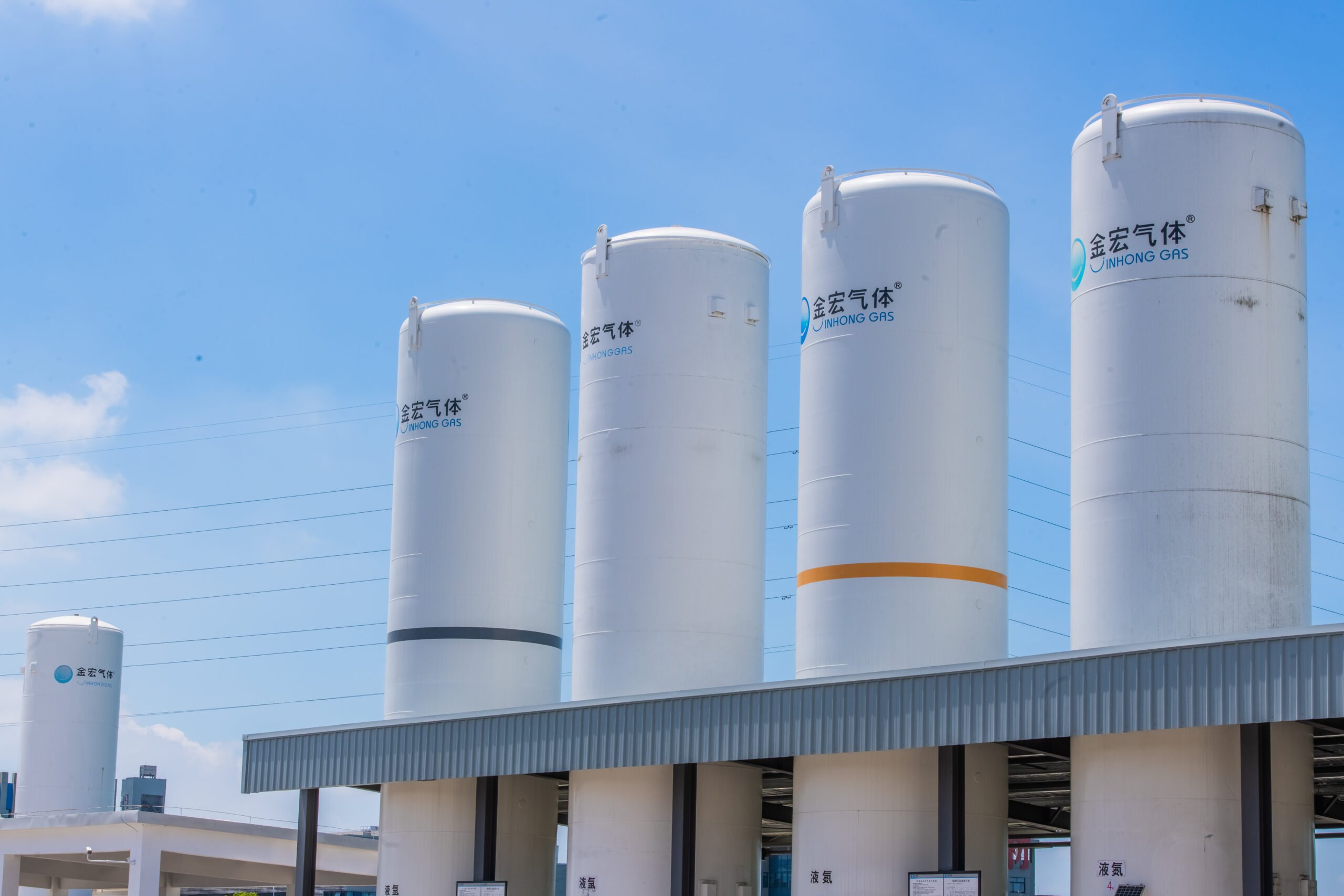
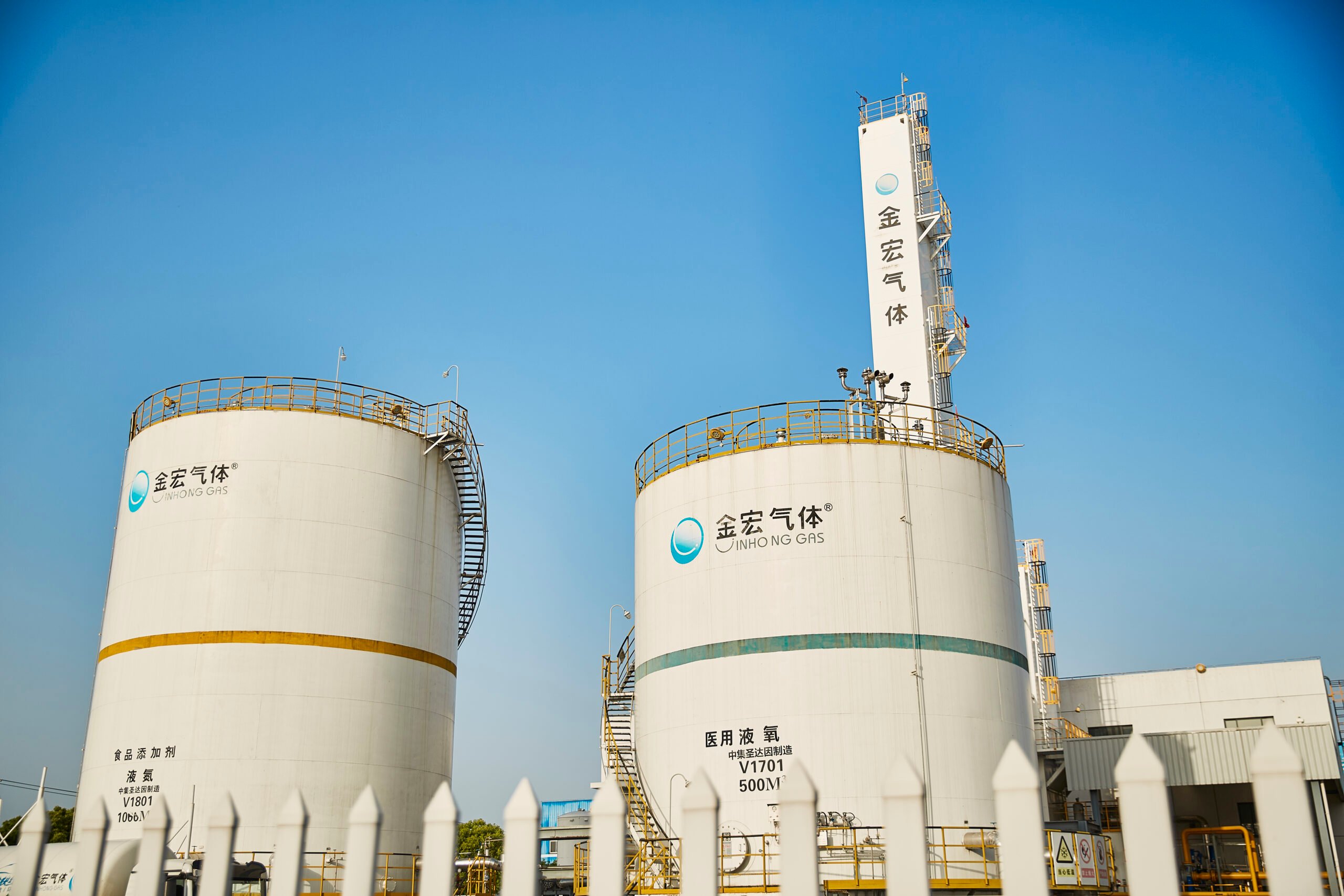
Selecting a partner like JinHong Gas ensures quality control, dependable supply chains, and industry expertise—especially important for sectors such as welding, semiconductors, and high-precision manufacturing.
Industrial Argon Pricing Factors
The price of industrial argon can vary based on:
- Purity level
- Cylinder size or bulk volume
- Delivery distance and logistics cost
- Market demand cycles
- Storage and handling services
While cost is important, total value—including reliability, purity assurance, and technical support—should guide your procurement decisions.
 English
 Indonesian
 Korean
 Japanese
 Malay
Malay German
 Spanish
 French
 Portuguese
 Arabic
 Italian
 Polish
 Dutch
Dutch Vietnamese
 Russian