
Argon gas plays a crucial role in welding, laboratory applications, and inert gas shielding. Yet many buyers still ask: “How much does an argon tank cost?” Whether you’re a hobbyist or an industrial user, understanding the pricing variables helps you make smarter, more cost-effective decisions. This guide breaks down the key factors, compares tank sizes, and offers practical strategies to manage long-term expenses.
What Influences the Cost of Argon Tanks?
Several core elements affect the overall price of an argon tank:
- Tank Size: Capacity is the primary factor. Prices range from compact 20-cubic-foot (CF) tanks to industrial-grade cylinders over 300 CF.
- New vs. Used: Used tanks are more affordable but must come with valid hydrostatic test certification (see FAQs).
- Empty vs. Filled: Filled tanks cost more upfront but are ready for immediate use.
- Material Type:
- Steel: Durable and economical.
- Aluminum: Lightweight, corrosion-resistant, but generally more expensive.
- Ownership Model:
- Purchase: Higher initial investment with long-term savings.
- Rental: Lower upfront cost but with ongoing rental fees.
- Brand & Supplier: Prices vary widely between national chains (e.g., Airgas, Praxair) and local vendors.
- Location: Shipping charges and local supply availability can significantly influence pricing.
Argon Tank Price by Size
The table below outlines general price ranges. These are estimates and subject to market changes:
| Tank Size | Capacity (CF) | Price (Empty) | Price (Filled) | Refill Cost |
|---|---|---|---|---|
| Small | 20–40 CF | $100–$150 | $150–$200 | $25–$35 |
| Medium | 80–125 CF | $200–$300 | $250–$350 | $40–$60 |
| Large | 150–300 CF | $300–$450 | $400–$600 | $70–$120 |
📌 Note: Always confirm current prices with your local supplier. Rental fees can range from $30 to $150 per year depending on tank size.
Where to Buy Argon Tanks
When shopping for argon tanks, consider the following options:
- Welding Supply Stores: National providers like Airgas, Praxair, and Matheson offer rentals, new tanks, and refills—with the added benefit of warranty and service support.
- Online Retailers: Platforms like Amazon and eBay may offer competitive prices, but verify refill compatibility and shipping charges.
- Hardware Stores: Retailers like Harbor Freight and Tractor Supply often stock smaller tanks at reasonable prices.
- Local Refill Stations: Frequently provide tank exchanges and economical refill options.
Buying vs. Renting: What’s Right for You?
| Factor | Buying | Renting |
|---|---|---|
| Upfront Cost | Higher ($100–$600) | Lower (often $0–$50 deposit) |
| Long-Term Cost | More economical over time | More costly with recurring fees |
| Maintenance | Owner responsibility | Vendor handles upkeep |
| Flexibility | Greater refill flexibility | Limited to vendor inventory |
💡 Tip: If you use argon frequently (more than once a month), buying is usually more cost-effective. Rent only for occasional use.
5 Ways to Lower Your Argon Gas Costs
- Buy Certified Used Tanks: Ensure they have current hydrostatic test certification.
- Use Exchange Programs: Swap empty tanks for pre-filled ones to avoid downtime.
- Choose the Right Size: Larger tanks lower the cost per cubic foot, but require appropriate storage.
- Compare Local Suppliers: Smaller vendors often offer better refill rates than large chains.
- Avoid Freight Charges: Buying locally can save on hazardous materials shipping fees.
Conclusion
Understanding argon tank pricing is all about balancing your upfront investment with long-term needs. Focus on the right tank size, reliable suppliers, and ownership options that align with your usage patterns. When in doubt, speak to a welding supply expert to make sure you’re getting the best value.
About Jinghong Gas – Your Trusted Industrial Gas Partner
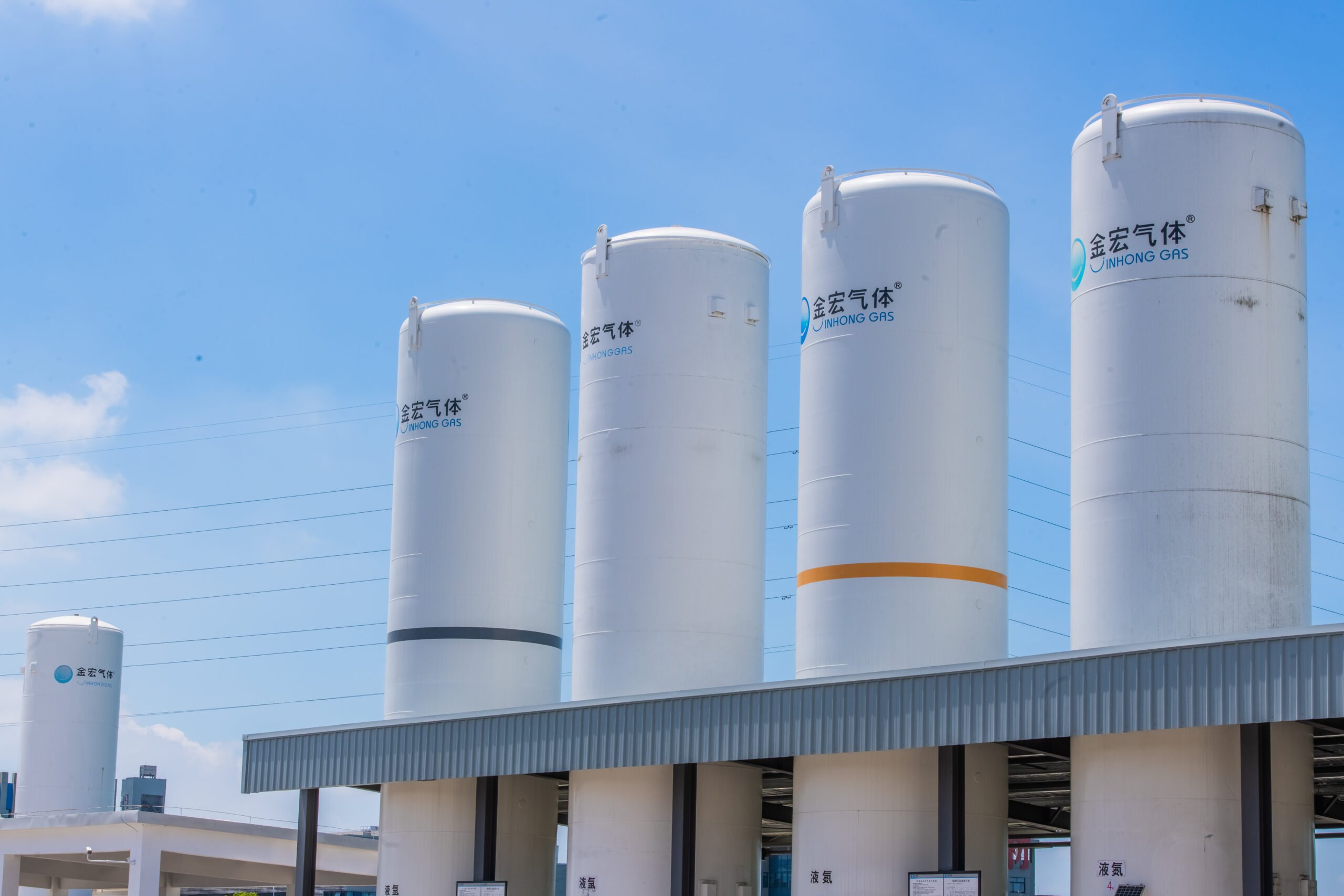
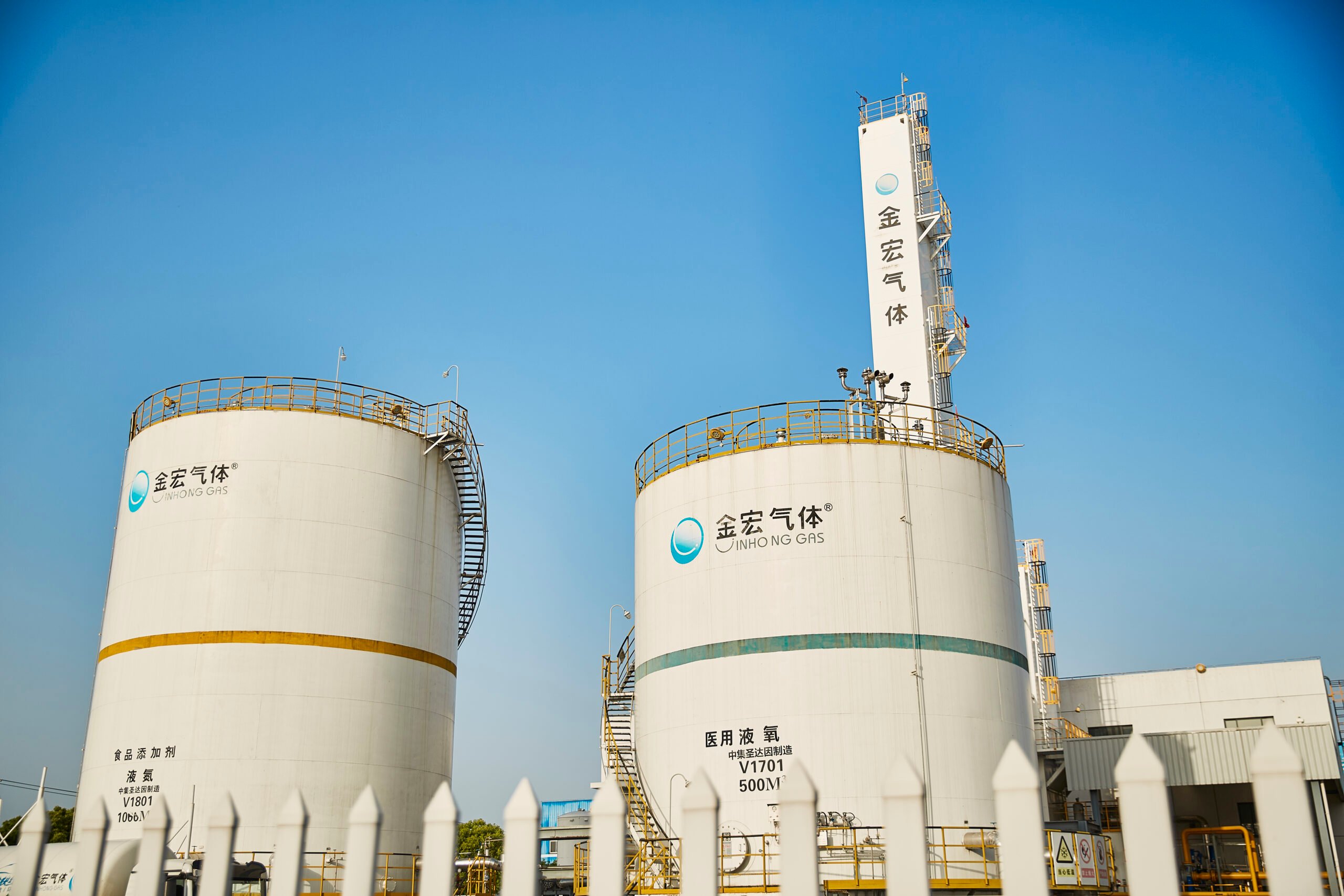
Jinghong Gas is a leading industrial gas supplier with years of experience serving businesses across various sectors, including welding, manufacturing, healthcare, and research. We specialize in providing high-purity argon and other specialty gases, tailored to your needs. Whether you require bulk delivery, customized cylinder sizes, or expert technical support, our team ensures safe, reliable, and cost-effective solutions. Partner with Jinghong Gas for dependable quality and professional service.
Frequently Asked Questions (FAQs)
Q: How long does an argon tank last during welding?
A: A 125 CF tank typically lasts 6 to 10 hours when running at 20–25 CFH. Use the formula: Time = Tank Capacity ÷ Flow Rate to estimate usage.
Q: Can I refill my argon tank at home?
A: No. Refilling requires specialized equipment and certification. DIY refills are unsafe and illegal in many regions.
Q: How can I tell if a tank is full?
A: Check the pressure gauge— a full tank usually reads ~2000 PSI at 70°F (21°C). You can also weigh the tank and compare it to the marked tare weight.
Q: Is pure argon more expensive than mixed gas?
A: Yes. Pure argon costs 20–40% more than blends like C25 (75% argon, 25% CO₂) due to its higher purity requirements.
Q: What is hydrostatic testing?
A: It’s a pressure test conducted every 5–10 years to ensure tank safety and structural integrity. The cost typically ranges from $25 to $50. Never use a tank without valid certification.
 English
 Indonesian
 Korean
 Japanese
 Malay
Malay German
 Spanish
 French
 Portuguese
 Arabic
 Italian
 Polish
 Dutch
Dutch Vietnamese
 Russian