
1. Advantages of Using Ammonia in Refrigeration Systems
Ammonia (NH₃) has long been used as a refrigerant in industrial refrigeration systems and offers several notable advantages.
In addition, it is worth emphasizing that ammonia features low cost, excellent thermodynamic efficiency, and minimal environmental impact. These characteristics make ammonia a promising refrigerant for future refrigeration applications. However, due to its toxicity, flammability under certain conditions, and potential explosion risks, further research and continuous improvement in safety technologies are essential.
Summary Table: Ammonia Refrigeration Systems – Performance, Energy Efficiency, and Safety
| Category | Key Aspect | Description |
|---|---|---|
| Refrigerant Advantages | Cost & Availability | Ammonia is cost-effective, widely available, and suitable for medium- and large-scale refrigeration systems. |
| Environmental Impact | Zero ozone depletion potential (ODP) and negligible global warming potential (GWP), making it environmentally friendly. | |
| Thermodynamic Efficiency | High heat transfer efficiency and superior COP compared with many synthetic refrigerants under similar conditions. | |
| Compressor Energy Efficiency | Capacity Control | Stepless capacity control, variable-frequency drives, and intelligent control systems improve part-load efficiency. |
| Performance Comparison | Under identical conditions, ammonia compressors show COP values 10%–20% higher than alternative refrigerants. | |
| Condensing Technology | Evaporative Condenser | Reduces water consumption to 0.3%–1% of traditional water-cooled systems and lowers compressor energy use by 10%–30%. |
| Condensing Temperature | Each 1 °C reduction in condensing temperature reduces compressor energy consumption by approximately 2%–3%. | |
| Waste Heat Recovery | Combined Cooling & Heating | Waste heat from compressors can be recovered for heating, achieving COP values above 5.0 in practical applications. |
| Energy Savings | Reduces condensing-side energy consumption and significantly improves overall system efficiency. | |
| Variable-Frequency Technology | Partial Load Operation | VFDs improve efficiency under fluctuating loads by matching compressor output to system demand. |
| System Stability | Intelligent group control with VFD compressors enhances operational stability and reduces energy consumption. | |
| Automation & Control | Intelligent Monitoring | Automated systems maintain optimal temperature, pressure, and flow conditions at all times. |
| Operational Safety | Reduces human error and improves safety, reliability, and energy efficiency. | |
| Low-Charge Technology | Reduced Ammonia Inventory | Advanced system designs can reduce ammonia charge by 50%–98% compared with traditional systems. |
| Hybrid Systems | Ammonia/CO₂ composite systems significantly lower ammonia charge while maintaining high efficiency. | |
| Pressure Vessel Reduction | High-Pressure Side Optimization | Eliminating or minimizing liquid receivers reduces ammonia storage and system risk. |
| Risk Management | HAZOP Analysis | Structured hazard analysis identifies potential risks during design, operation, and maintenance stages. |
| Safety Instrumented Systems | SIS & Gas Detection | Independent SIS, emergency shutdown systems, and ammonia detectors prevent severe accidents. |
| Personnel Training | Professional Competence | Comprehensive training for design, installation, and O&M personnel is essential for long-term system safety. |
2. Energy Efficiency Analysis of Amoniak Refrigeration Systems
2.1 Energy Efficiency of Ammonia Refrigeration Compressors
At present, most ammonia refrigeration compressors are equipped with stepless capacity control technology, which significantly improves energy efficiency. With the increasing application of variable-frequency drives (VFDs) and intelligent control systems, compressor energy performance has been further enhanced.
Taking a typical large cold storage project as an example, reducing the condensing temperature and minimizing the heat transfer temperature difference on the evaporator side can both contribute to more energy-efficient compressor operation.
Ammonia refrigerants are generally used in medium- and large-scale refrigeration projects. Under identical operating conditions, calculations based on internationally recognized compressor performance software show that when the condensing temperature is the same and the evaporating temperature ranges from −35 °C to 0 °C, ammonia refrigeration compressors consistently exhibit higher coefficients of performance (COP) than alternative refrigerants such as R507A.
For evaporating temperatures above −20 °C, single-stage compression is typically used, while below −20 °C, single-stage compression with an economizer is commonly applied. Under these conditions, the COP of ammonia compressors is generally more than 10% higher, with maximum efficiency improvements reaching up to 20%.

2.2 Energy Saving Performance of Evaporative Condensers
Ammonia refrigeration systems can employ various condensing methods, including water-cooled, air-cooled, and evaporative condensing. Compared with traditional water-cooled condensers, evaporative condensers significantly reduce water consumption. The theoretical water usage of evaporative condensers is only 0.3%–1% of that required by conventional water-cooled systems.
When compared with air-cooled condenser systems, evaporative condenser systems can reduce compressor power consumption by more than 30%. Compared with cooling-tower-based water-cooled systems, compressor power consumption can be reduced by over 10%.
Practical operating experience shows that evaporative condensers typically achieve lower condensing temperatures than other condensing methods. For every 1 °C reduction in condensing temperature, compressor energy consumption can be reduced by approximately 2%–3%. Therefore, evaporative condensers play an important role in reducing the overall energy consumption of refrigeration systems.
In general, the temperature difference between the condensing temperature of an evaporative condenser and the local wet-bulb temperature should not exceed 8 °C. Long-term operation requires attention to water quality, as scaling on heat exchange coils can reduce heat transfer efficiency. Water treatment systems should be installed to maintain optimal performance. For evaporative condensers equipped with packing materials, regular inspection and replacement are necessary to prevent aging and ensure efficient operation.
2.3 Combined Cooling, Heating, and Power Utilization
The heat discharged from refrigeration systems can be recovered and reused through combined cooling and heating technologies. If higher-grade heat is required, heat pump systems can be applied to upgrade the waste heat discharged by refrigeration compressors.
In real-world operation, combined cooling and heating systems not only reduce energy consumption on the condensing side but also significantly improve heating efficiency by utilizing recovered waste heat. For example, in large-scale sports facility applications, recovered refrigeration waste heat has been upgraded and used to meet space heating demands. Such systems can achieve COP values above 5.0, representing at least a fivefold improvement compared with electric boiler heating systems.
In addition to improved energy efficiency, these systems reduce water consumption on the refrigeration condensing side and deliver substantial benefits in energy conservation and low-carbon operation.
2.4 Application of Variable-Frequency Drive (VFD) Technology
For large refrigeration systems, applying variable-frequency drive technology to major energy-consuming equipment—such as compressors—can significantly improve energy efficiency, especially under partial-load conditions.
Under constant-speed operation, compressor COP decreases sharply at partial loads. By using VFDs to adjust motor speed, compressor capacity can be precisely matched to system demand, thereby improving energy efficiency during fluctuating load conditions.
For refrigeration systems with variable loads, it is recommended to install at least one or two VFD-driven compressors within the same evaporating temperature system. When combined with intelligent compressor group control, VFD technology effectively reduces energy consumption while enhancing operational stability. Applying VFDs to condenser fans and refrigerant pumps further improves system efficiency and reliability.
2.5 Automation and Intelligent Control Systems
Automation and intelligent control systems ensure that key operating parameters—such as temperature, pressure, and flow rate—remain within optimal ranges, significantly enhancing energy efficiency.
Modern refrigeration systems commonly integrate local manual control, remote monitoring, and fully automatic operation. Intelligent control enables systems to continuously adapt to changing boundary conditions and operate within optimal design parameters. This not only improves energy efficiency but also minimizes the risk of human error, thereby enhancing system safety and operational stability.
3. Safety Analysis of Ammonia Refrigeration Systems
3.1 Low Refrigerant Charge Technology
Reducing ammonia charge within refrigeration systems is widely recognized as one of the most effective measures for improving safety.
Recent studies indicate that:
- Optimized heat exchanger design can significantly reduce refrigerant charge while maintaining heat transfer performance.
- Distributed ultra-low-charge ammonia systems can reduce ammonia charge by more than 98%, while also lowering energy and water consumption.
- Advanced air-cooled chillers using microchannel condensers and optimized oil separation can reduce ammonia charge by 50% while improving system performance by 20%.
- Eliminating liquid receivers and reducing circulation ratios can reduce charge by 75%–80%, while optimized system design and VFD application can increase efficiency by up to 67%.
Comparative studies of large cold storage facilities show that advanced ammonia/CO₂ hybrid systems and low-charge heat exchange technologies can reduce ammonia charge by 70%–80% compared with traditional ammonia pump circulation systems.
3.2 Reduction or Elimination of High-Pressure Vessels
Traditional ammonia refrigeration systems typically include high-pressure liquid receivers and siphon tanks.
Replacing high-pressure liquid receivers with mechanical float control devices significantly reduces the number of pressure vessels and minimizes ammonia inventory on the high-pressure side. In shutdown conditions, liquid ammonia storage can be nearly eliminated.
For oil cooling applications, high-efficiency ammonia–oil heat exchangers can reduce ammonia demand, or closed-loop water cooling systems can be adopted to eliminate siphon tanks altogether while enabling waste heat recovery.
3.3 System Risk Analysis Using the HAZOP Method
Hazard and Operability Analysis (HAZOP) is a structured and systematic qualitative risk analysis method. It can be applied throughout the lifecycle of ammonia refrigeration systems—from design and construction to operation and maintenance.
By analyzing process flow diagrams, piping and instrumentation diagrams, and three-dimensional system models, potential hazards related to piping, valves, and equipment operation can be identified in advance. Appropriate preventive measures can then be implemented to avoid accidents.
3.4 Safety Instrumented Systems (SIS)
Safety Instrumented Systems (SIS) form a critical part of modern control systems, providing alarm functions, interlocks, and emergency shutdown capabilities.
For ammonia refrigeration systems, emergency shutdown systems and ammonia gas detection systems are essential and should be implemented as independent SIS layers. These systems play a key role in preventing severe accidents and ensuring operational safety.
3.5 Strengthening Professional Technical Training
Most ammonia refrigeration safety incidents are not caused by ammonia itself, but by insufficient operator training and improper operation or maintenance.
In addition to adopting low-charge technologies and scientific safety measures, it is essential to strengthen professional training for system designers, installers, and operation and maintenance personnel. Improving technical competence and professional skills is fundamental to ensuring the long-term safety and reliability of ammonia refrigeration systems.
About Jinhong Gas
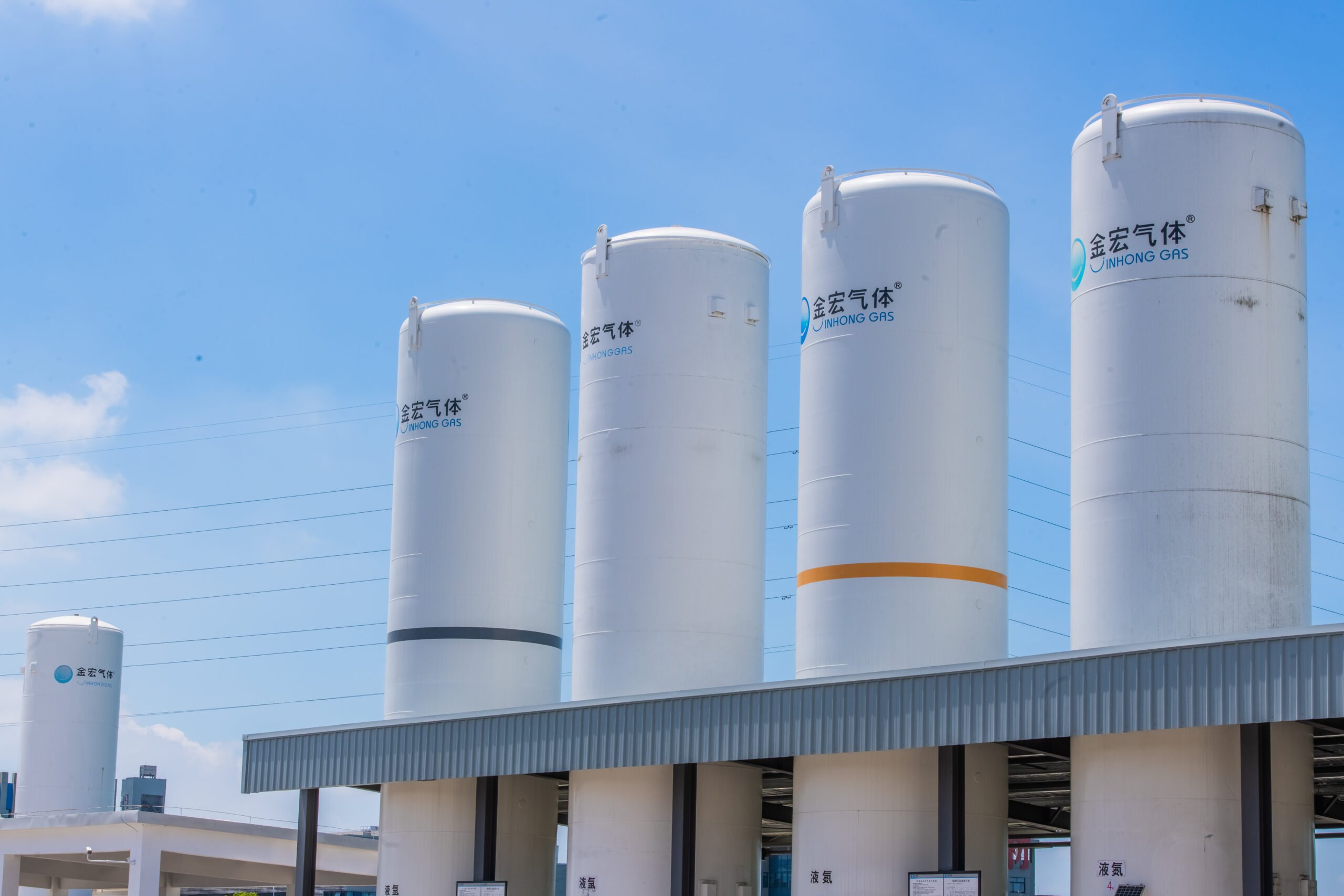
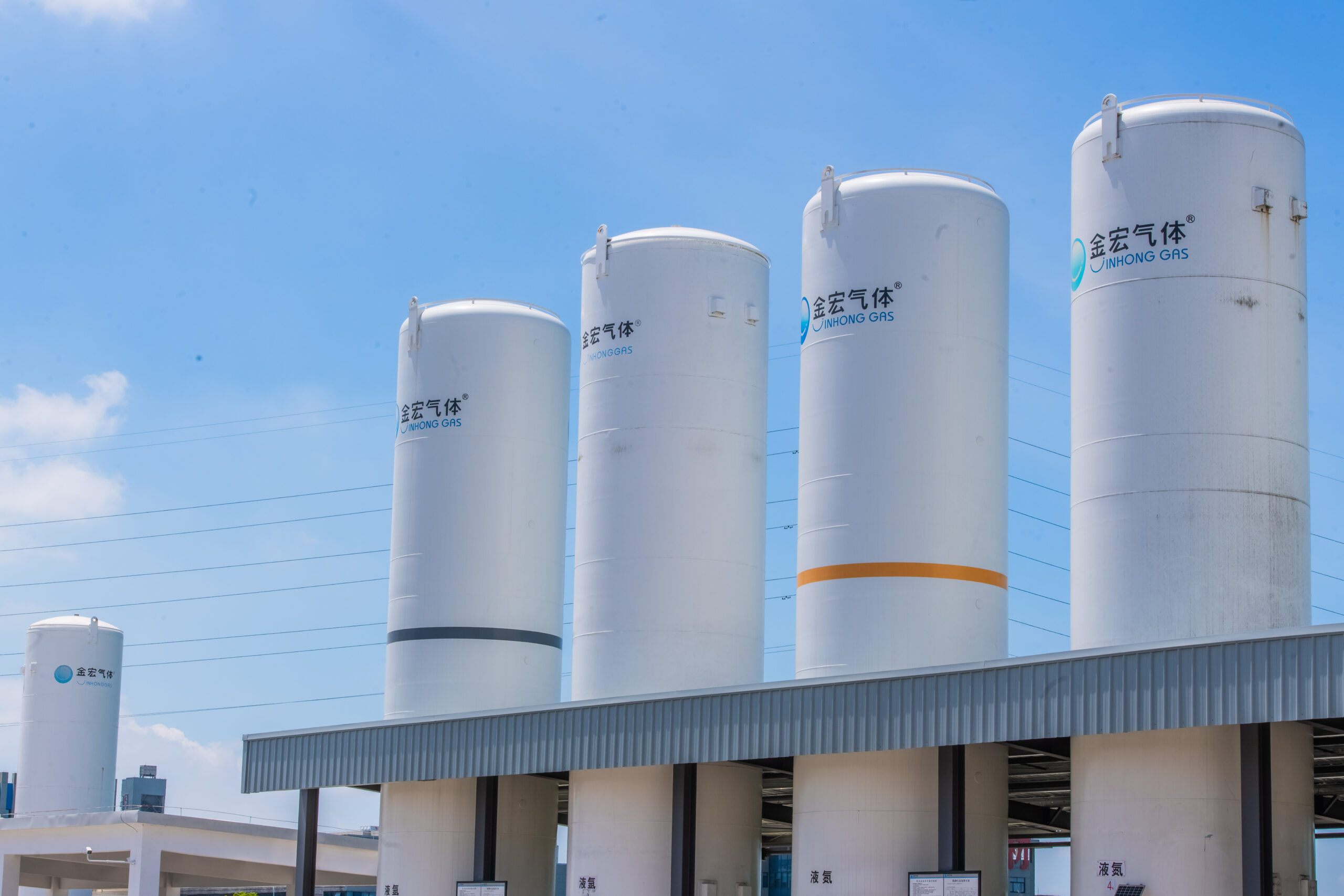
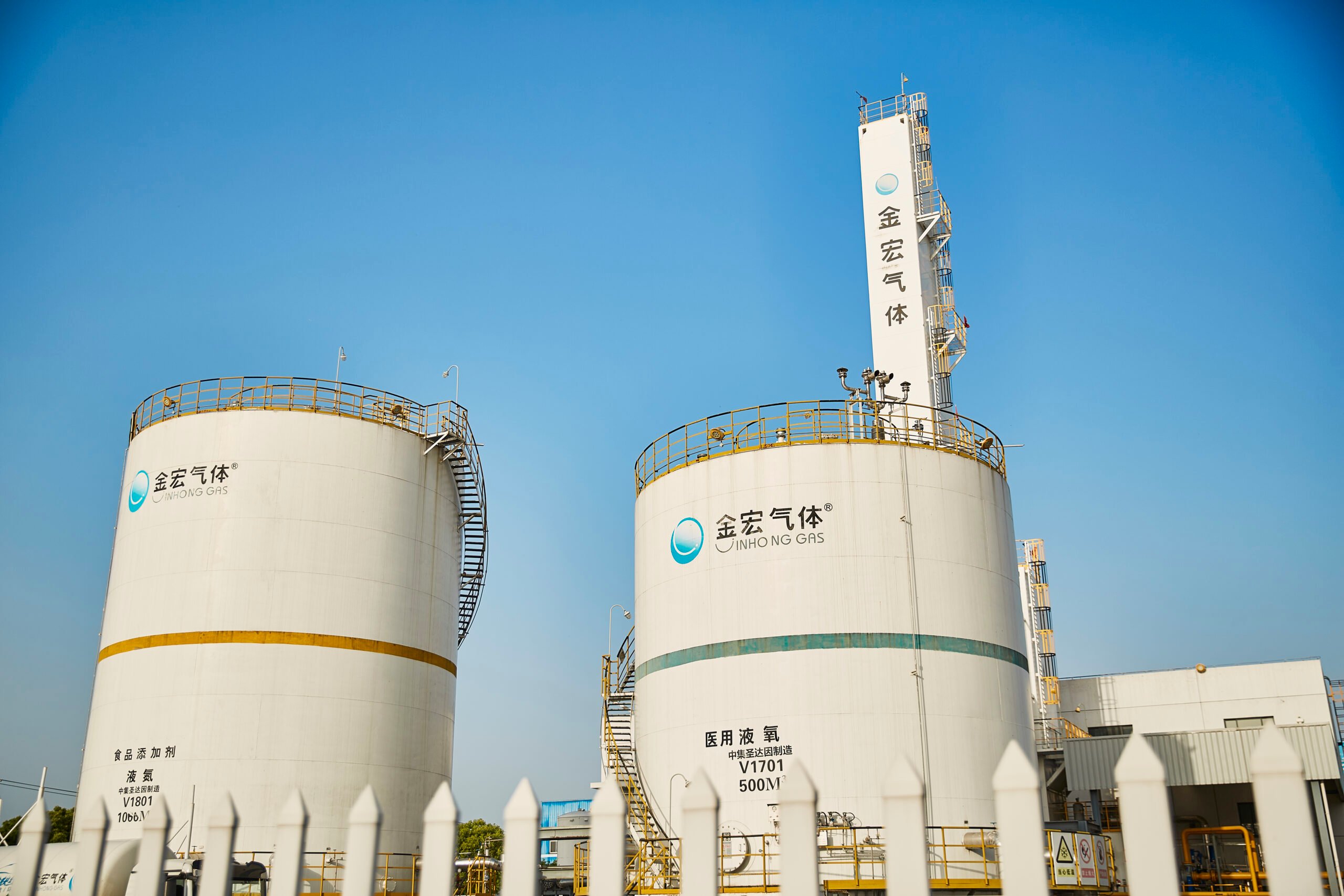
Jinhong Gas is a professional industrial gas supplier with extensive experience in ammonia production, supply, and application support. We provide high-quality ammonia products and tailored gas solutions for refrigeration, chemical processing, and industrial applications. With a strong focus on safety, reliability, and sustainability, Jinhong Gas supports customers throughout the entire project lifecycle—from gas supply and technical consultation to long-term operational support—helping clients achieve efficient, safe, and environmentally responsible refrigeration systems.
 English
 Indonesian
 Korean
 Japanese
 Malay
Malay German
 Spanish
 French
 Portuguese
 Arabic
 Italian
 Polish
 Dutch
Dutch Vietnamese
 Russian