
Ammonium NH3—more accurately referred to as ammonia (NH₃)—is one of the most widely used and strategically important industrial chemicals in the world. From agriculture and chemical manufacturing to refrigeration and environmental treatment, ammonia plays a central role in modern industry. Because of its wide use, people often search what ammonia is, why it is important, when it should be used, and how it is handled safely.
What Is Ammonium NH3?
Ammonium NH3 commonly refers to ammonia gas (NH₃), a colorless gas with a strong, pungent odor. Chemically, ammonia consists of one nitrogen atom bonded to three hydrogen atoms.
While ammonium (NH₄⁺) is an ion formed when ammonia dissolves in water, the term “ammonium NH3” is often used in industry and search queries to describe anhydrous ammonia or industrial ammonia gas.
Key characteristics include:
- High solubility in water
- Strong alkalinity
- High nitrogen content
- Easily liquefied under moderate pressure
Why Is Ammonia (NH₃) So Important?
People often ask why ammonia is used instead of other chemicals. The answer lies in its efficiency, versatility, and cost-effectiveness.
Core reasons ammonia matters
- Primary nitrogen source for fertilizers
- Essential raw material for chemicals such as nitric acid, urea, and ammonium salts
- Efficient refrigerant with excellent heat transfer properties
- Key agent in emission control and water treatment
Because nitrogen is essential for plant growth and chemical synthesis, ammonia remains irreplaceable in many industrial processes.
When Is Ammonium NH3 Used?
Ammonia is used when processes require high nitrogen availability, strong alkalinity, or rapid chemical reaction.
Major application timing
- Agriculture – during fertilizer production and seasonal crop treatment
- Industrial manufacturing – continuous processes such as chemical synthesis and metallurgy
- Cold storage & food processing – year-round refrigeration
- Environmental treatment – wastewater neutralization and flue gas denitrification
Industries choose ammonia when long-term efficiency and scalability are required.
How Is Ammonium NH3 Used in Industry?
1. Fertilizer Production
Over 70% of global ammonia consumption is used in fertilizers, supporting global food production.
2. Refrigeration Systems
Anhydrous ammonia is widely used in industrial refrigeration due to:
- High energy efficiency
- Low global warming potential (GWP)
- Stable thermodynamic properties
3. Chemical Manufacturing
Ammonia is a base material for:
- Nitric acid
- Explosives
- Synthetic fibers
- Pharmaceuticals
4. Water & Emission Treatment
Ammonia helps:
- Adjust pH levels in water treatment
- Reduce NOx emissions in power plants through SCR and SNCR systems
How to Handle Ammonium NH3 Safely
Because ammonia is corrosive and toxic at high concentrations, safety is a frequent search topic.
Key safety practices include:
- Use of pressure-rated storage tanks and cylinders
- Proper ventilation and leak detection systems
- Trained personnel and emergency response planning
- Compliance with transport and storage regulations
Industrial-grade ammonia must always be sourced from qualified suppliers with strict quality and safety controls.
Industrial Supply of Ammonium NH3
For large-scale users, stable ammonia supply is critical. Leading gas and chemical suppliers provide:
- Anhydrous ammonia gas and liquid ammonia
- Customized delivery formats (cylinders, bulk tanks, ISO containers)
- Technical support and compliance documentation
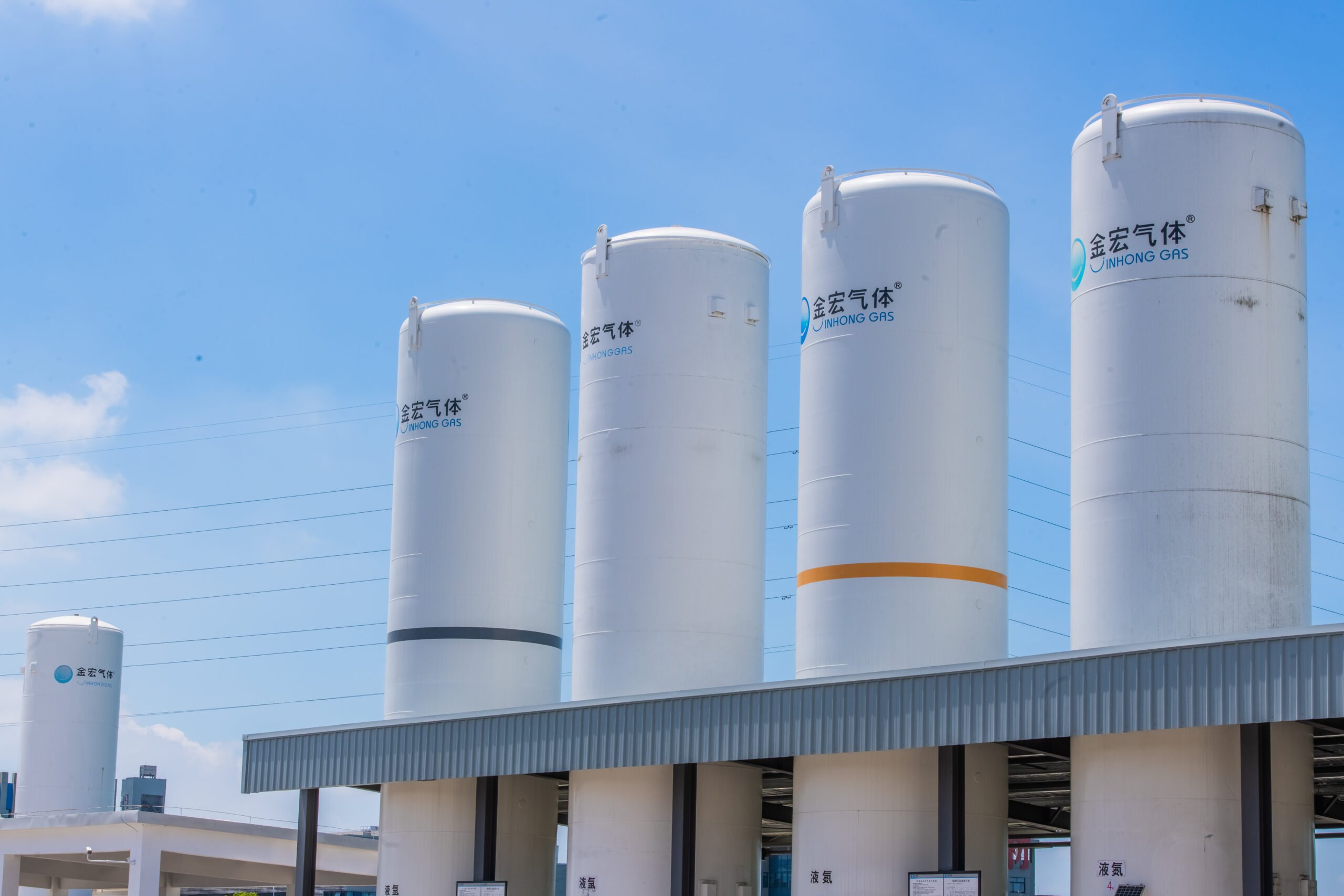
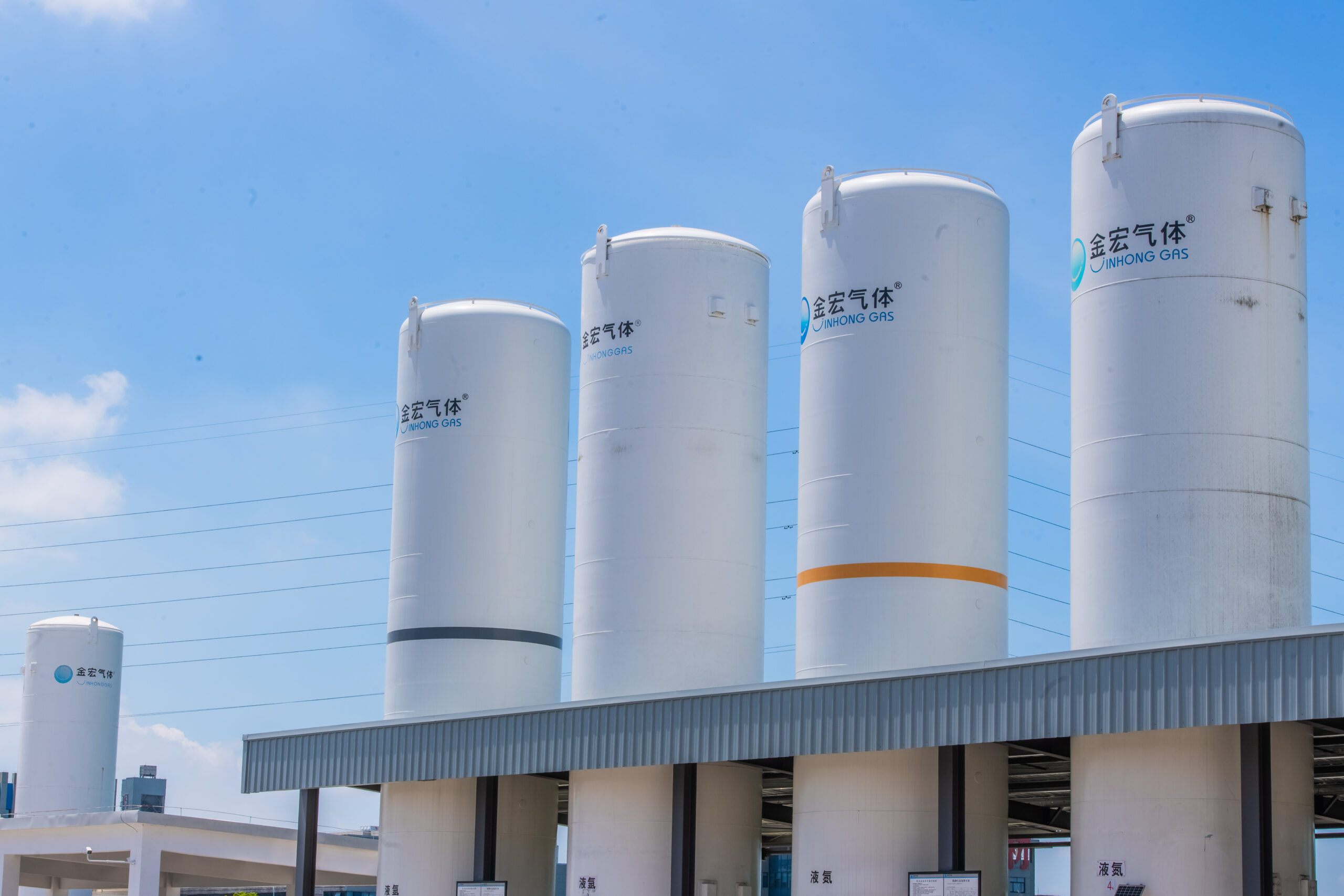
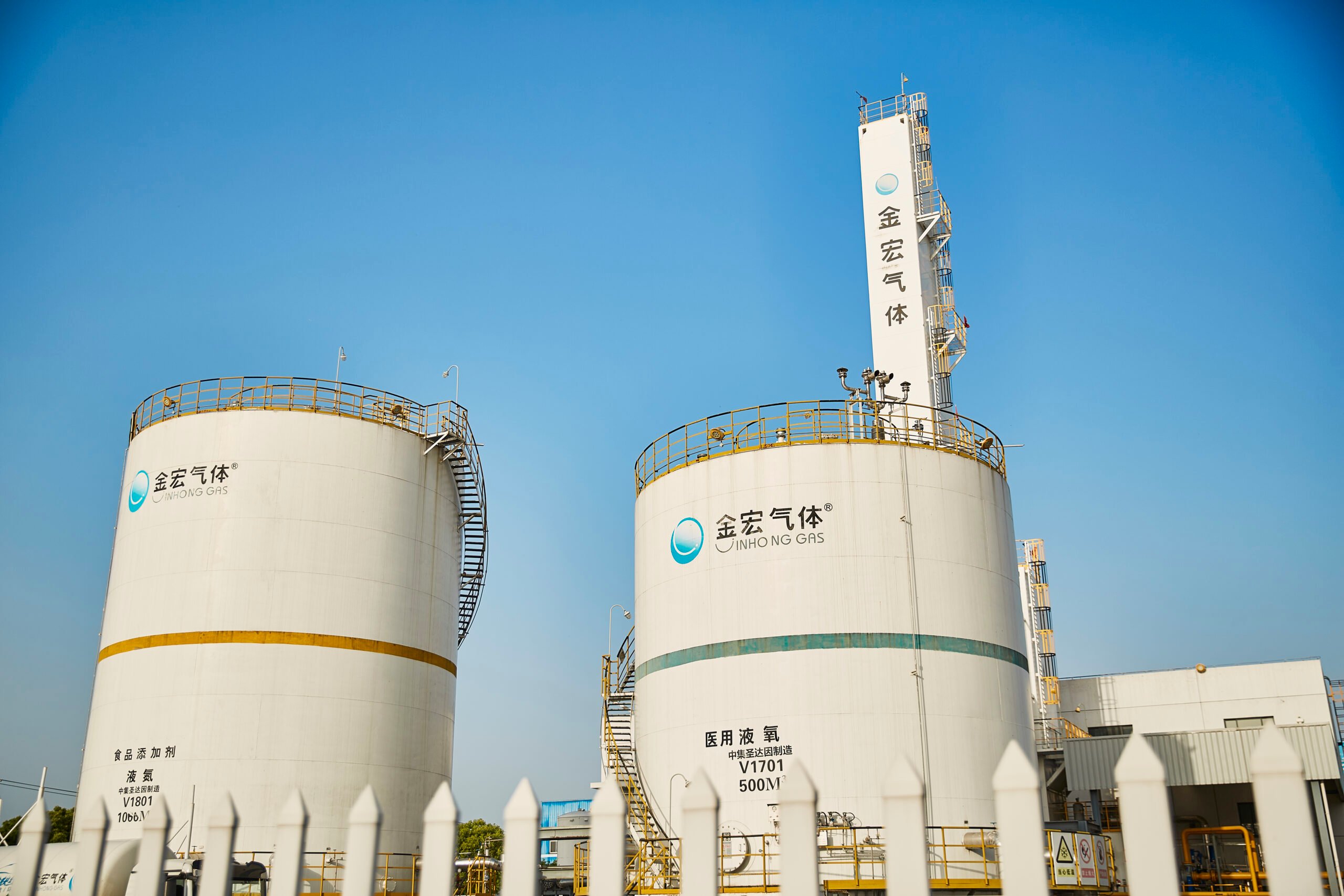
As a trusted industrial gas provider, JinHong Gas supplies high-purity ammonia solutions for chemical processing, refrigeration, environmental applications, and advanced manufacturing, ensuring safety, consistency, and long-term reliability.
 English
 Indonesian
 Korean
 Japanese
 Malay
Malay German
 Spanish
 French
 Portuguese
 Arabic
 Italian
 Polish
 Dutch
Dutch Vietnamese
 Russian