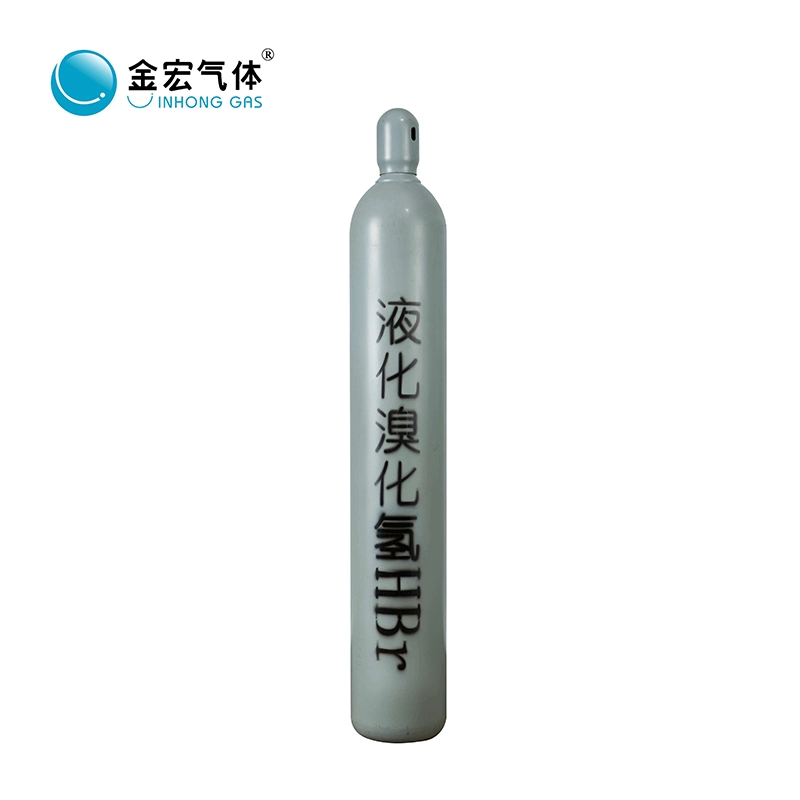
Hydrogen Bromide

Hydrogen bromide is an inorganic compound with a chemical formula of HBr and a molecular weight of 80.91. It is a colorless gas with standard conditions and is the basic raw material for chemical synthesis.

Process

Hydrogen bromide is obtained as a by-product during the bromination of organic compounds such as bromomethane.
GasHydrogen bromide
CAS No.10035-10-6
Purity99.999%

Applications

Chemical

Hydrogen bromide is used both as a reagent and as a catalyst in a variety of organic reactions. It is also used for the preparation of numerous inorganic bromides.

Pharmaceutics

Hydrogen bromide is also used for hydrobromination (chemical and pharmaceutical industries) and halogen lamps (so called “iodine” automobile headlights, electrostatic photocopy machine lamp, etc).

Semiconductor Manufacturing

Etching Process: Used as a selective etchant for silicon wafers and compound semiconductors, enabling precise control of etching depth and verticality, suitable for integrated circuits (ICs), chips, and other advanced device fabrication. Surface Cleaning: Removes oxides, organic residues, and metallic contaminants from semiconductor surfaces to ensure accuracy in subsequent processes. Doping Process: Adjusts the electrical properties of semiconductor materials through hydrogen bromide doping, optimizing device conductivity.

Flat Panel Display & Photovoltaics

LCD: Cleans panel surfaces to remove impurities, improving display clarity. In OLED manufacturing, it cleans organic material surfaces to enhance brightness and color performance. Solar Cells: Cleans the base materials of solar panels, boosting photoelectric conversion efficiency.

Other Advanced Fields

Applied in optical fiber communications for coating material preparation, improving transmission efficiency. Used in chemical synthesis as a catalyst and reducing agent.

Frequently Asked Question

What product specifications can you provide?

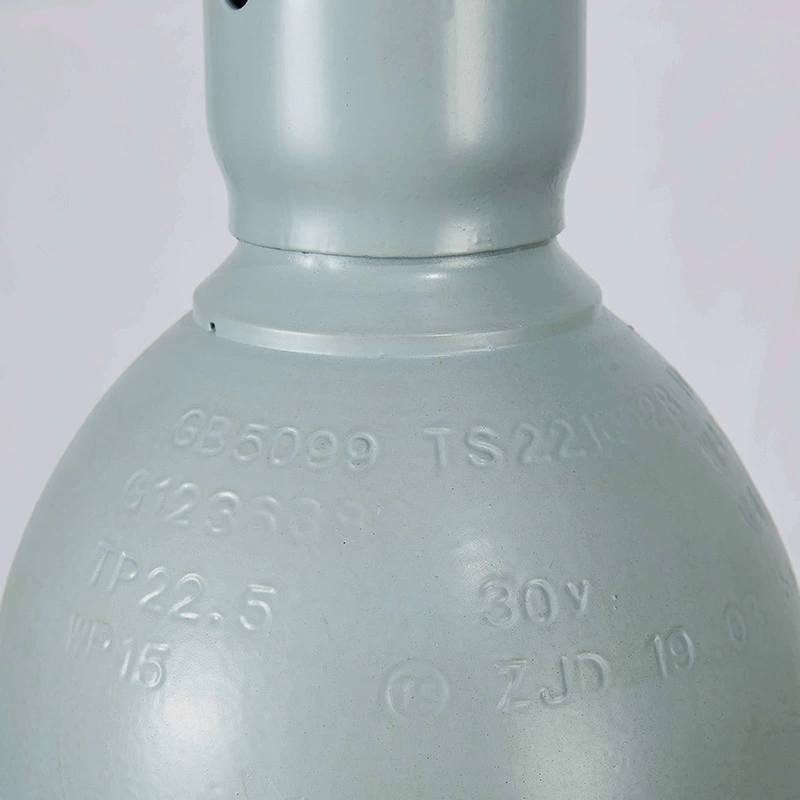
Cylinder: 47L Valve: DISS634 Filling Weight: 50Kg

What is electronic grade HBr? How does it differ from industrial grade?

Electronic grade hydrogen bromide is a high-purity gas or liquid primarily used in semiconductor manufacturing and other precision electronics applications.The key differences from industrial grade are: Purity Requirements: Electronic grade typically reaches ≥99.999% (5N) or even 99.9999% (6N), with strict control over metal ions (Na, K, Fe), moisture, and organic impurities. Industrial grade is usually ≤99.9% and has no strict impurity requirements. Application Scenarios: Electronic grade is used in semiconductor wafer etching and doping processes; industrial grade is mainly used in pharmaceuticals, dye synthesis, and other non-precision fields. Production Standards: Electronic grade must comply with strict semiconductor industry quality standards (e.g., SEMI standards), while industrial grade only meets general chemical product standards.

In which semiconductor manufacturing process is electronic grade HBr primarily used?

It plays a core role in dry etching processes, including: Etching Silicon-Based Materials: Mixed with other gases (e.g., chlorine, oxygen) to precisely etch silicon and silicides (SiGe, Si3N4) on wafers, forming chip circuit patterns. Doping Assistance: Serves as a bromine source in specific processes to adjust the electrical properties of semiconductor materials.The key differences from industrial grade are: Purity Requirements: Electronic grade typically reaches ≥99.999% (5N) or even 99.9999% (6N), with strict control over metal ions (Na, K, Fe), moisture, and organic impurities. Industrial grade is usually ≤99.9% and has no strict impurity requirements. Application Scenarios: Electronic grade is used in semiconductor wafer etching and doping processes; industrial grade is mainly used in pharmaceuticals, dye synthesis, and other non-precision fields. Production Standards: Electronic grade must comply with strict semiconductor industry quality standards (e.g., SEMI standards), while industrial grade only meets general chemical product standards.

What are the safety risks of electronic grade HBr? What precautions should be taken?

Electronic grade HBr is highly corrosive and toxic, posing significant safety risks. Key precautions include: Health Risks: Direct contact causes burns; inhalation irritates the respiratory tract and may cause pulmonary edema. Operators must wear corrosion-resistant protective clothing, goggles, and respirators. Chemical Risks: Reacts with water to form hydrobromic acid (highly corrosive); reacts with active metals (Na, K) releasing hydrogen gas with explosion risk. Must not be stored with water, alkalis, or reactive metals. Operating Protocols: Handle under inert gas (e.g., nitrogen) protection in well-ventilated areas. Use corrosion-resistant equipment (e.g., stainless steel or Monel alloy containers). Prevent leakage at all times.

How should electronic grade HBr be stored and transported? What special requirements apply?

Storage and transportation must ensure leak prevention, impurity control, and chemical stability: Storage Containers: Use polished 316L stainless steel or Monel alloy cylinders to prevent impurity leaching. Cylinders must undergo regular leak testing.Storage Conditions: Keep in a cool, dry, well-ventilated warehouse at -20℃ to 40℃. Avoid fire, heat, water, and alkali exposure. Warehouses must be equipped with leak detection alarms and emergency neutralization systems.Transportation: Classified as a hazardous chemical (UN No. 1048). Must comply with hazardous goods regulations, avoid strong impacts or direct sunlight, and be accompanied by emergency handling tools (neutralizing agents, protective equipment).

Inquiry

Please enable JavaScript in your browser to complete this form.
Please enter your work email

Related Products

This website uses cookies to improve your browsing experience. By continuing to use this website, you agree to our use of cookies.

Talk to Our Gas Experts....

Please enable JavaScript in your browser to complete this form.
Please enter your work email