
Food-grade carbon dioxide (CO₂) is a high-purity form of carbon dioxide that undergoes strict purification and processing to ensure full compliance with food safety standards. It is widely used across the food industry—not only in food processing itself, but also to enhance product quality and extend shelf life.
Food-grade CO₂ plays a vital role throughout the food supply chain. Its applications can be broadly summarized into five key areas: use as a core ingredient in carbonated beverages, food preservation and modified atmosphere packaging (MAP), freezing and cold-chain transportation, and various auxiliary applications in food processing.
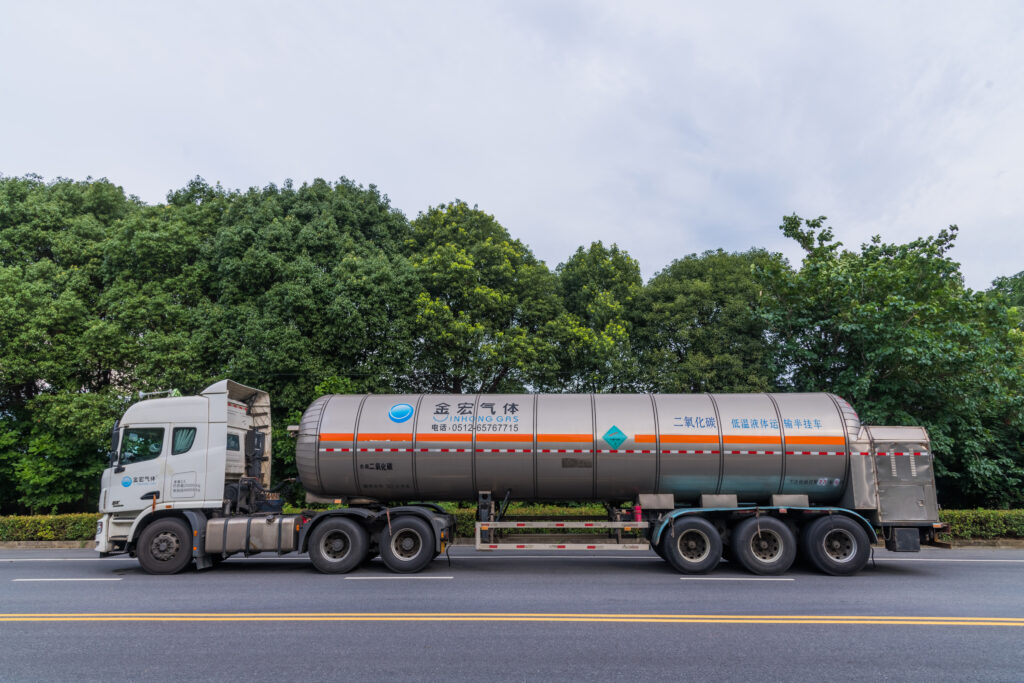
In summary, food-grade carbon dioxide is indispensable in modern food production, supporting a wide range of applications from beverages and preservation to processing and logistics.
Overview of Food-Grade Carbon Dioxide (CO₂) Applications and Standards
| Category | Description |
|---|---|
| Primary Function | High-purity food-grade CO₂ used to support food processing, preservation, and quality enhancement |
| Main Applications | Carbonated beverages, food preservation, modified atmosphere packaging (MAP), freezing and cold-chain transportation, auxiliary processing applications |
| Applicable Standard | National Food Safety Standard – Food Additive Carbon Dioxide (GB 1886.228-2016) |
| Minimum Purity Requirement | ≥ 99.5% |
| High-Purity CO₂ Requirement | ≥ 99.99% CO₂ with oxygen content ≤ 30 ppm |
| Permitted Forms | Gaseous, liquid, and solid (dry ice) |
| Approved Raw Gas Sources | Alcohol fermentation, carbonate calcination, ammonia synthesis, ethylene catalytic oxidation, coal gasification |
| Regulated Impurities | CO, methane, SO₂, total sulfur, benzene, methanol, vinyl chloride, oil/grease, evaporation residue, moisture, ethylene oxide, microorganisms |
| Food Categories Allowed | Beverages, formulated alcoholic drinks, aerated fermented alcoholic beverages, confectionery (excluding chewing gum) |
| Use as Processing Aid | Allowed in all food processing applications with no residue limit |
| Labeling Requirements | Product name, purity, production date, shelf life, manufacturer information |
| Storage & Transportation | Sealed containers, protection from high temperature and direct sunlight |
National Food Safety Standard for Food Additive Carbon Dioxide
The National Food Safety Standard – Food Additive Carbon Dioxide (GB 1886.228-2016) is China’s mandatory safety standard governing the use of carbon dioxide as a food additive. The standard was issued on August 31, 2016, by the former National Health and Family Planning Commission of the People’s Republic of China and officially implemented on January 1, 2017.
Its purpose is to comprehensively regulate the quality and safety of food-grade carbon dioxide and to ensure the protection of consumer health.
I. Scope of Application
This standard applies to food additive carbon dioxide produced from carbon dioxide gas obtained through various industrial processes and refined through specific procedures. These source processes include alcohol fermentation, carbonate calcination, ammonia synthesis, catalytic oxidation of ethylene, and coal gasification.
The resulting food-grade carbon dioxide products may be supplied in multiple physical forms, including gaseous, liquid, and solid (dry ice).
II. Key Technical Requirements
The standard establishes clear and stringent requirements for the quality and safety of food additive carbon dioxide:
1. Purity
The purity of carbon dioxide must be no less than 99.5%, which forms the fundamental basis for food safety and functional performance.
2. Impurity Limits
Strict maximum allowable limits are specified for a wide range of potentially harmful impurities, including carbon monoxide, methane, sulfur dioxide, total sulfur, benzene, methanol, vinyl chloride, oil and grease, evaporation residue, moisture, ethylene oxide, and microbial indicators. These limits are designed to prevent food contamination and ensure the safety of the final product.
3. Special Requirements
For high-purity carbon dioxide products with a CO₂ content of ≥99.99%, the standard imposes more stringent restrictions on oxygen content, which must not exceed 30 μL/L (30 ppm).
III. Application and Regulatory Requirements
1. Usage Regulations
According to the National Food Safety Standard for the Use of Food Additives (GB 2760-2014), carbon dioxide is permitted as a food additive—primarily as a preservative—for specific food categories, including beverages, formulated alcoholic drinks, and other aerated fermented alcoholic beverages, as well as confectionery products excluding chewing gum.
In addition, carbon dioxide may be used as a food processing aid in various food manufacturing processes. When used as a processing aid, no specific residue limit is imposed.
2. Packaging, Labeling, Storage, and Transportation
The standard requires that product labels clearly indicate the product name, purity, production date, shelf life, and manufacturer information. During storage and transportation, containers must remain properly sealed and protected from high temperatures and direct sunlight to maintain product stability and quality.
About Jinhong Gas
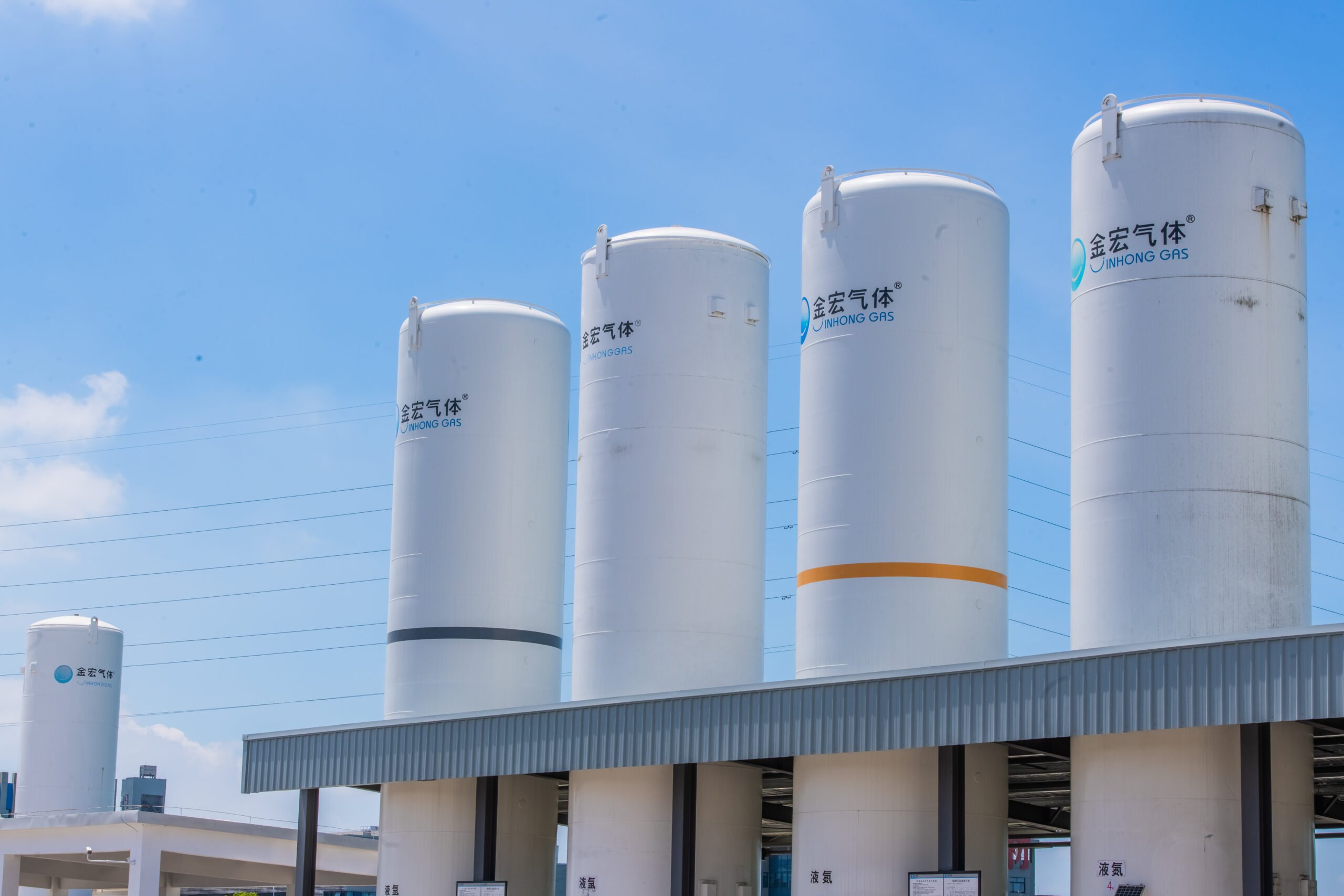
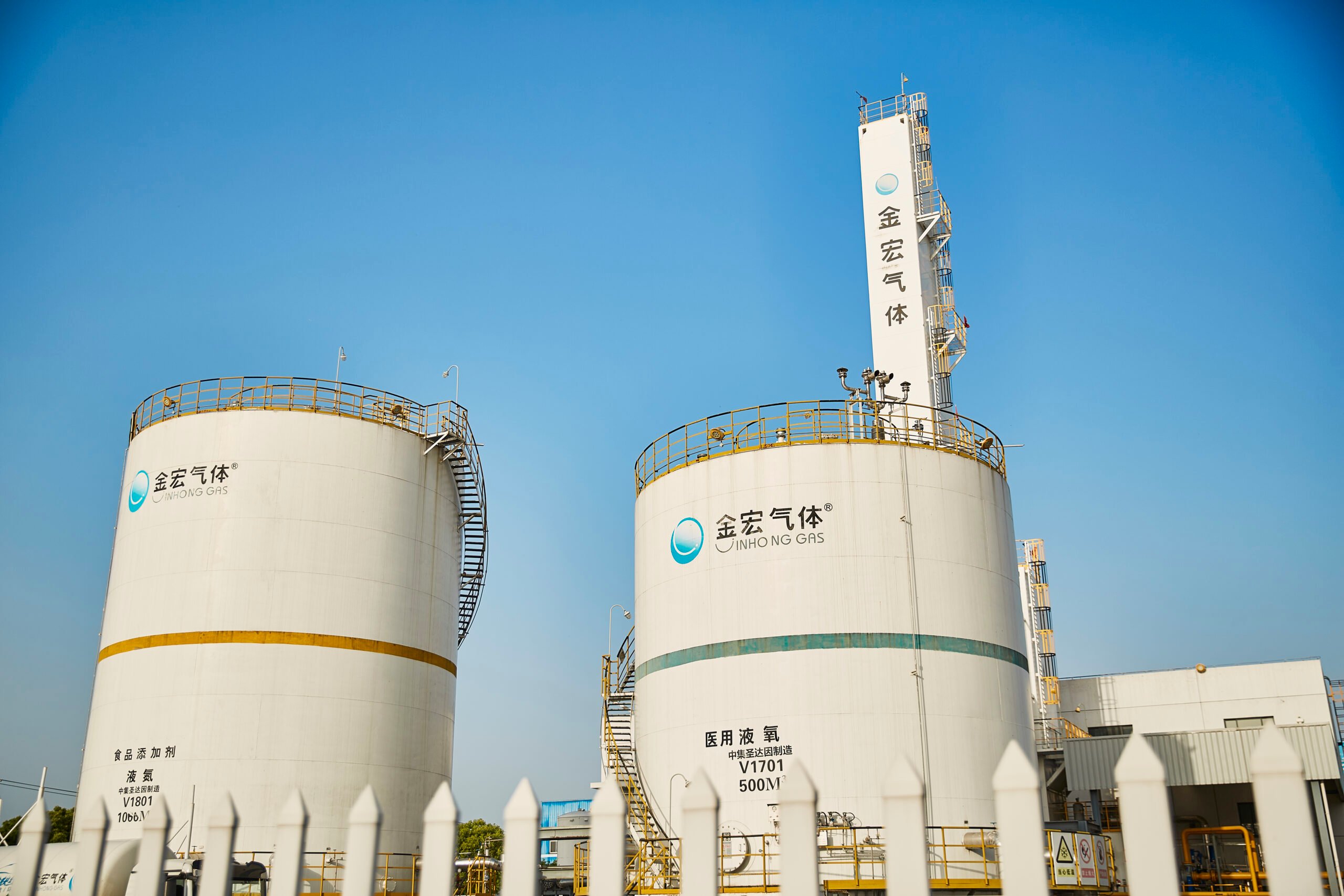
Jinhong Gas is a professional industrial gas supplier specializing in the production and supply of high-purity carbon dioxide, nitrogen, oxygen, hydrogen, helium, and specialty gases. Our food-grade CO₂ products are manufactured under strict quality control systems to meet national and international food safety standards, ensuring consistent purity, safety, and reliability.
With extensive experience serving the food and beverage, cold-chain logistics, pharmaceutical, and manufacturing industries, Jinhong Gas provides tailored gas solutions designed to enhance product quality, improve process efficiency, and support regulatory compliance. We are committed to delivering safe, stable, and sustainable gas supply solutions to customers worldwide.
 English
 Indonesian
 Korean
 Japanese
 Malay
Malay German
 Spanish
 French
 Portuguese
 Arabic
 Italian
 Polish
 Dutch
Dutch Vietnamese
 Russian