Otros gases

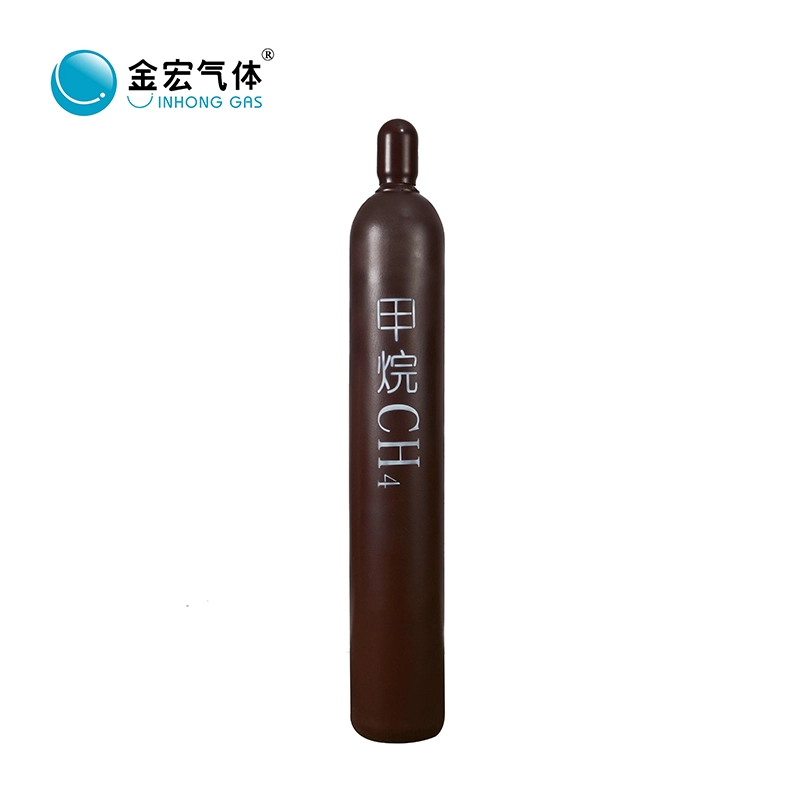
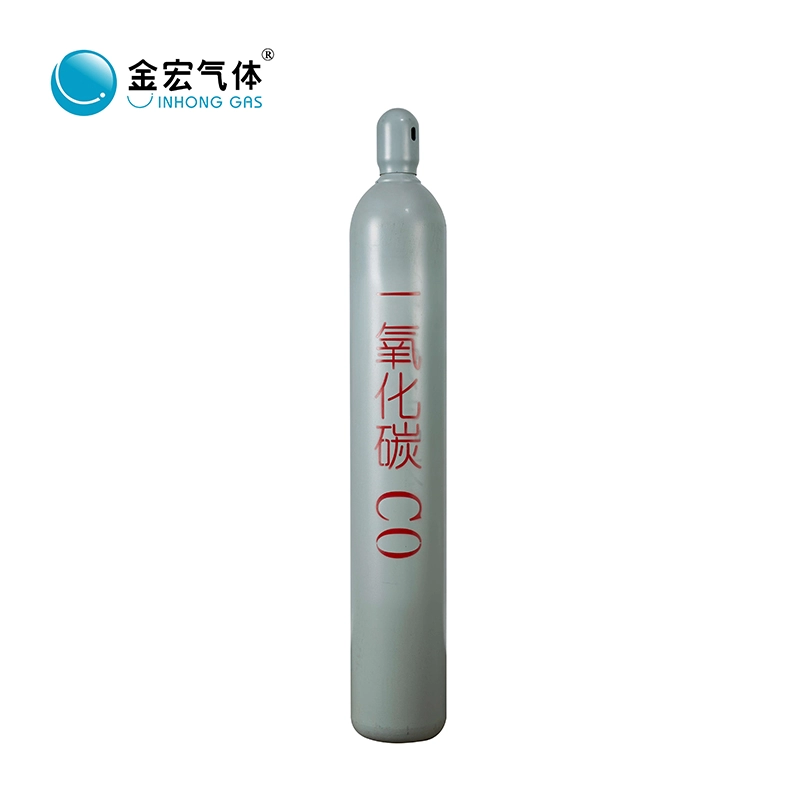
Monóxido de carbono

El mayor uso del monóxido de carbono se da en la industria química, donde se emplea en la síntesis de una amplia variedad de productos químicos como ésteres, cetonas, aldehídos y glicoles, así como para la producción de fosgeno, un intermediario químico habitual. Normalmente, la demanda de monóxido de carbono en los centros de producción química es tan grande que se produce in situ, aunque ocasionalmente puede ser viable el suministro en remolques tubulares.

Cloro

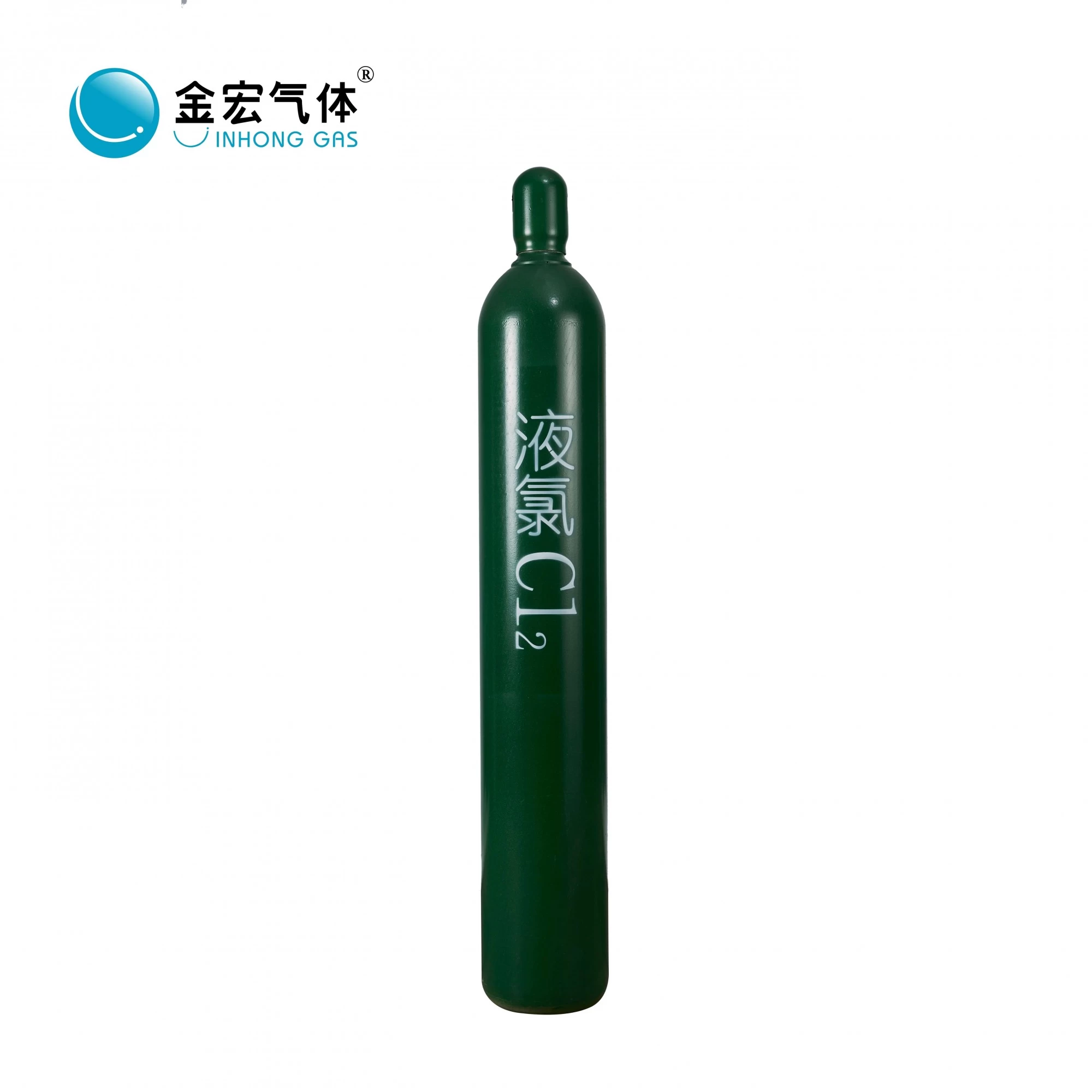
The chemical formula of chlorine is Cl2, which is a toxic gas. It is mainly used in high-tech fields such as large-scale integrated circuits, optical fibers, and high-temperature superconductivity. Chlorine is widely used in tap water disinfection, pulp and textile bleaching, ore refining, organic and inorganic chloride synthesis, etc. It is also used in the production of pesticides, bleaches, disinfectants, solvents, plastics, synthetic fibers and other chlorides.

Cloro (5N)

The chemical formula of chlorine is Cl2, which is a toxic gas. It is mainly used in high-tech fields such as large-scale integrated circuits, optical fibers, and high-temperature superconductivity. Chlorine is widely used in tap water disinfection, pulp and textile bleaching, ore refining, organic and inorganic chloride synthesis, etc. It is also used in the production of pesticides, bleaches, disinfectants, solvents, plastics, synthetic fibers and other chlorides.

Diclorosilano

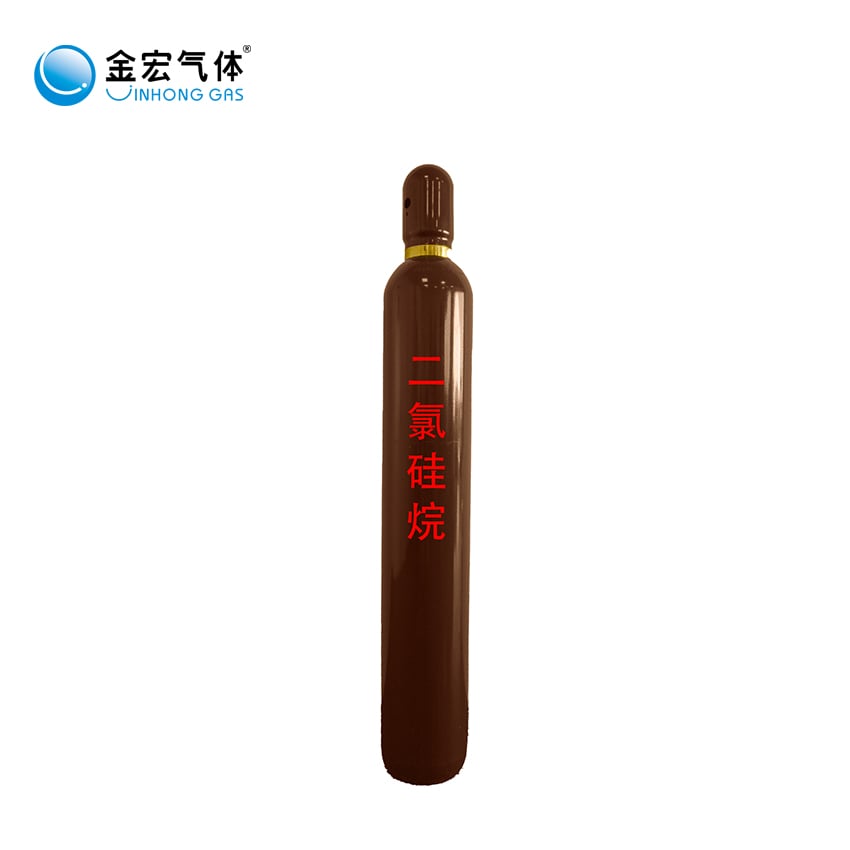
Electronic-grade dichlorosilane is a high-purity compound critically important in the semiconductor industry, especially for the production of silicon-based electronic devices. Commonly represented as SiH₂Cl₂, it is a colorless volatile liquid primarily used as a precursor for producing ultra-pure silicon in integrated circuits, photovoltaic cells, and other advanced electronic applications. This compound is carefully refined to remove impurities, ensuring strict control over its composition to meet the stringent requirements of electronic-grade materials. Its controlled use in chemical vapor deposition (CVD) processes enables the formation of high-precision, pure silicon layers, which are essential for the development of cutting-edge electronic components.

Disilano

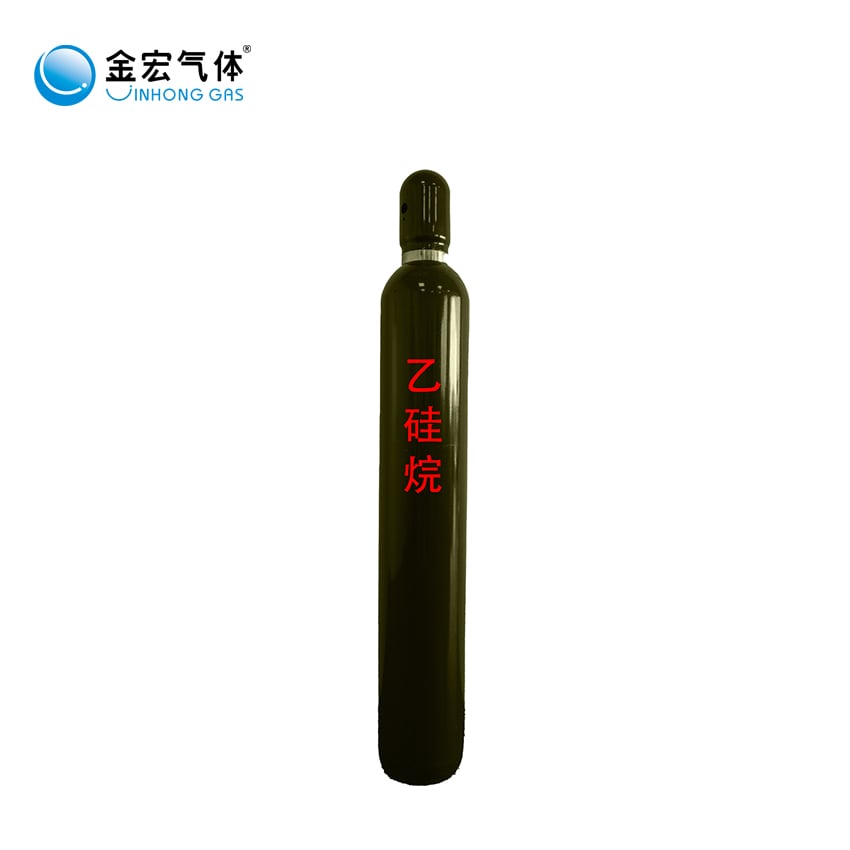
Disilane (chemical formula: Si₂H₆) is a non-corrosive toxic gas. It is pyrophoric in air, with an ignition point below room temperature. Upon exposure to air, it ignites instantly and decomposes into silane (SiH₄) and hydrogen (H₂). Under its own vapor pressure, disilane exists as a liquid. It can be mixed in any proportion with hydrogen, argon, nitrogen, and helium.

Its boiling point is -14.3 °C, melting point is -132.6 °C, and critical temperature is 150.85 °C. Disilane has a wide flammability range: at concentrations above 0.2%, it burns with a visible flame; at concentrations below 0.2%, it undergoes oxidation, producing white SiO₂.

Disilane exhibits chemical properties similar to silane, but with higher reactivity. It is less stable than silane, decomposing slowly into silane and hydrogen at room temperature. At 300–500 °C, it decomposes into SiH₄, SinHm, and H₂, and also decomposes under light exposure.

Disilane is mainly used in applications such as solar cells, photoconductive drums, amorphous silicon films, epitaxial growth, oxide films, nitride films, and chemical vapor deposition (CVD).

Fluorometano

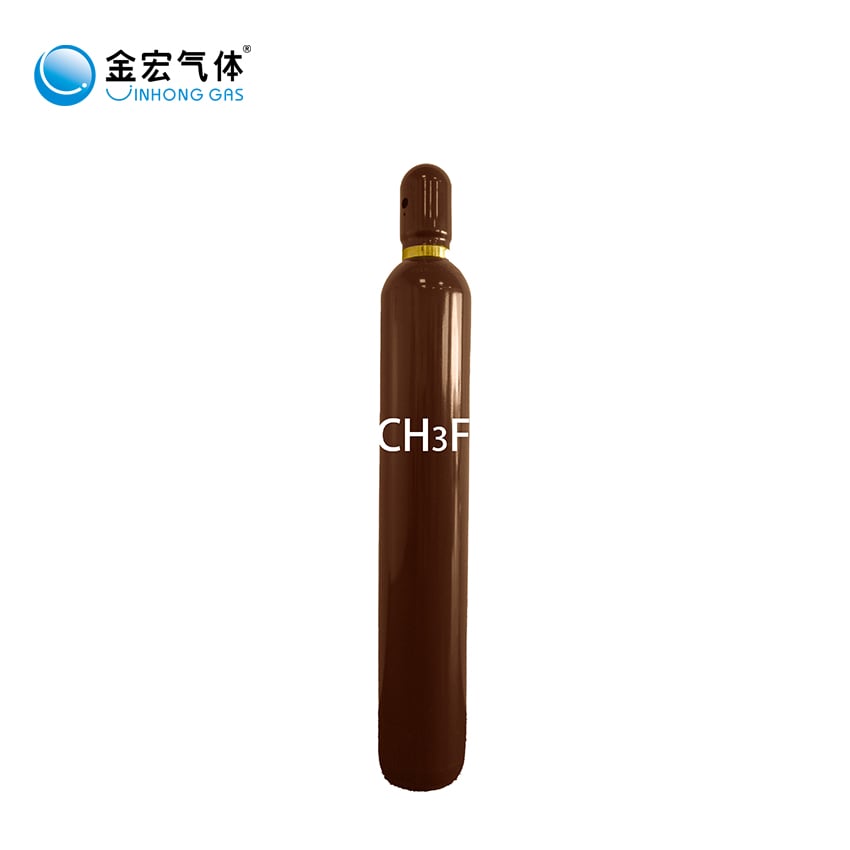
Fluoromethane (CH₃F), also known as HFC-41, methyl fluoride, or fluoromethane, is an organic compound with the chemical formula CH₃F. It is a colorless gas with a pungent odor, and is soluble in ether and ethanol.

Fluoromethane has an ozone depletion potential (ODP) of 0, a global warming potential (GWP) of 116, and an atmospheric lifetime of 2.8 years. It is characterized by good chemical stability, flammability, non-toxicity, and non-corrosiveness.

As a specialty gas, CH₃F is widely used in plastic materials, metal processing, pharmaceuticals, chemicals, electronics, and semiconductor industries.

Leveraging advanced technology, Jinhong Gas has mastered the large-scale production of CH₃F, ensuring a sustainable supply of high-quality products to the global market.

Hexaclorodisilano

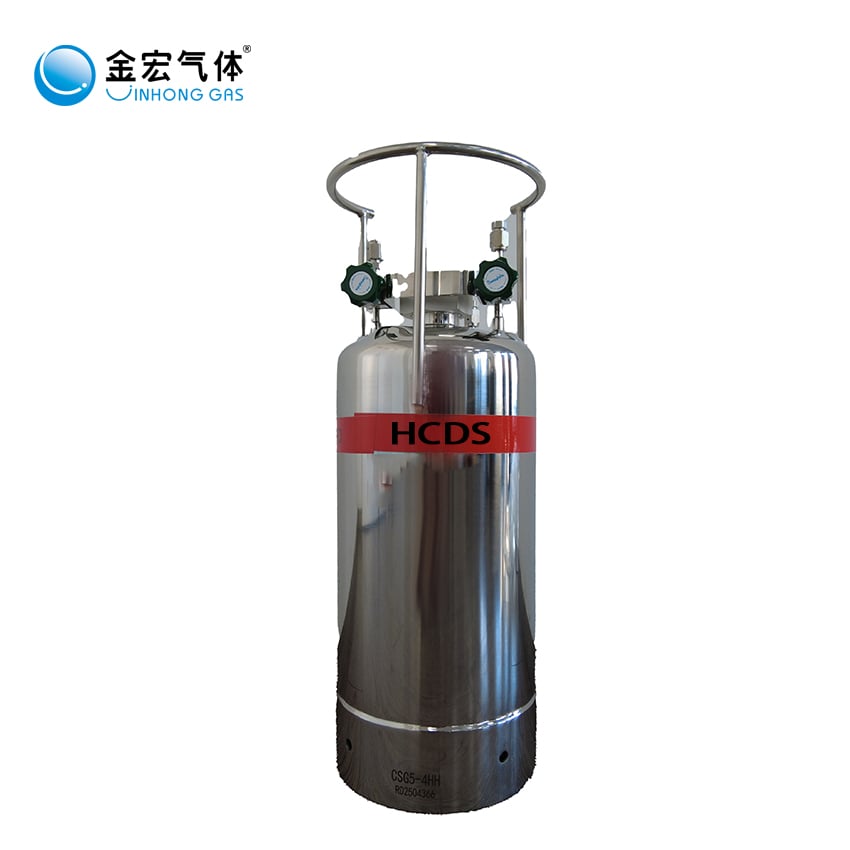
El hexaclorodisilano, también conocido como hexaclorodisilano o hexacloruro de disilicio, es un líquido incoloro de gran estabilidad y baja volatilidad. Reacciona violentamente en contacto con el agua y es insoluble en alcoholes y álcalis fuertes.

Como miembro de la familia de los clorosilanos, el HCDS representa uno de los clorosilanos oligoméricos de alto valor. Es un intermediario importante en la síntesis orgánica y se utiliza ampliamente para la preparación de disilanos y compuestos relacionados.

Más allá de su papel en la síntesis química, el HCDS se aplica cada vez más en la fabricación de películas finas, los procesos de semiconductores y la industria de la energía solar, lo que lo convierte en un material fundamental en las aplicaciones electrónicas y energéticas avanzadas.

Hexafluorobutadieno

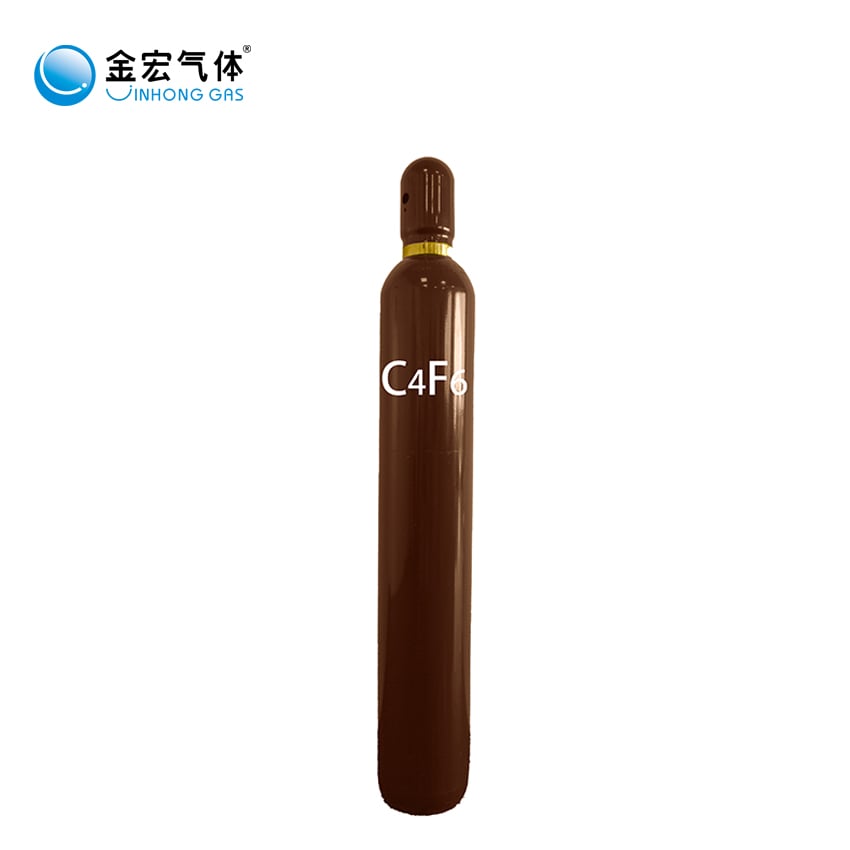
El hexafluoro-1,3-butadieno (C₄F₆) es un gas crítico que define el rendimiento de los procesos de grabado en la fabricación de semiconductores avanzados. Su nivel de pureza determina directamente el rendimiento y las prestaciones del dispositivo en la fabricación de chips de última generación. Aprovechando la innovación continua de los procesos, Jinhong Gas ha logrado avances simultáneos tanto en pureza como en capacidad de producción en masa de C₄F₆, estableciéndose como proveedor indispensable de gas de alta pureza para apoyar los procesos avanzados de semiconductores.

Hexafluoroetano

Hexafluoroethane is a colorless, inflammable gas that is insoluble in water but soluble in ethanol. Its boiling point is -78.2°C, the melting point is -100.6°C, and its critical temperature is 19.7°C. Hexafluoroethane is generally used for plasma etching gas in the microelectronics industry, as well as device surface cleaning, optical fiber production, and low temperature refrigeration.

Bromuro de hidrógeno

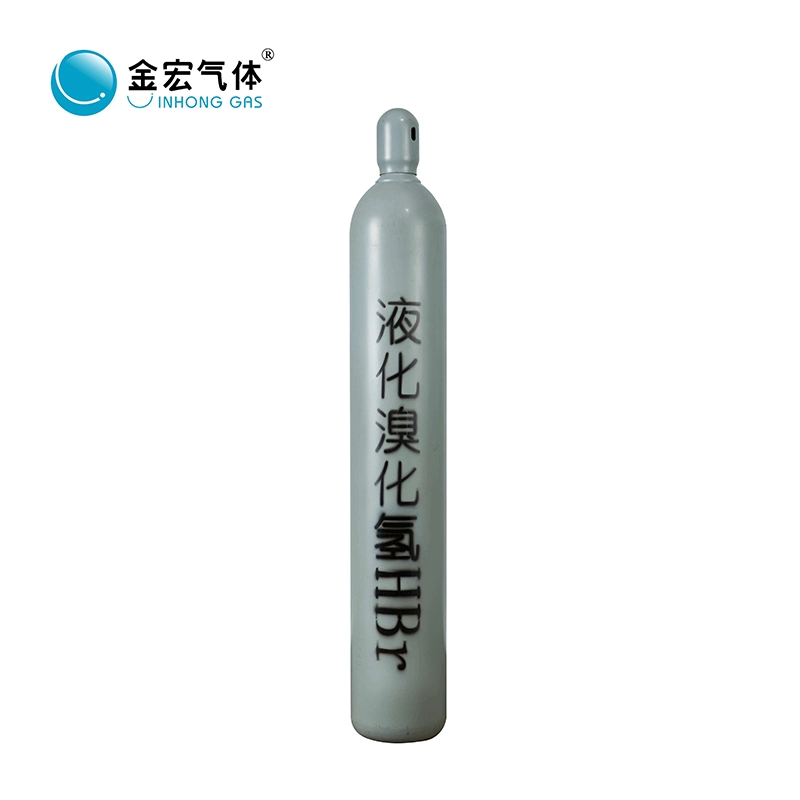
Hydrogen bromide is an inorganic compound with a chemical formula of HBr and a molecular weight of 80.91. It is a colorless gas with standard conditions and is the basic raw material for chemical synthesis.

Bromuro de hidrógeno (5N)

Hydrogen bromide is an inorganic compound with a chemical formula of HBr and a molecular weight of 80.91. It is a colorless gas with standard conditions and is the basic raw material for chemical synthesis.

Bromuro de hidrógeno (5N5)

Hydrogen bromide is an inorganic compound with a chemical formula of HBr and a molecular weight of 80.91. It is a colorless gas with standard conditions and is the basic raw material for chemical synthesis.

Cloruro de hidrógeno

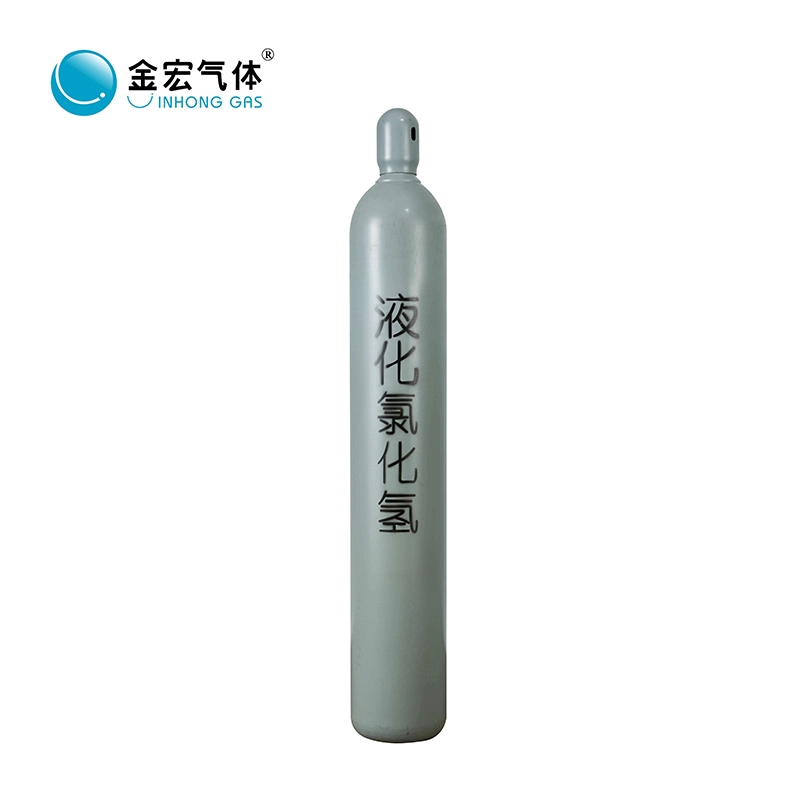
Hydrogen chloride is a transparent colorless or slightly yellow strong corrosive liquid with a pungent odor. A concentrated hydrochloric acid contains 38% HCl, the relative density is 1.19, the melting point is -112°C, and the boiling point is -83.7°C. Hydrogen chloride is an important inorganic chemical raw material, widely used in dyes, medicine, food, printing and dyeing, leather, metallurgy and other industries.

Metano

Methane is a colorless, odorless, flammable gas. The relative density is 0.5547, the boiling point is -164°C, and the melting point is -182.48°C. Methane is an important fuel and an important chemical raw material. Natural gas with methane as the main component is a high-quality gas fuel with a long history. It has been exploited and utilized on a large scale and has become the third energy source in the world.

Metano (5N)

Methane is a colorless, odorless, flammable gas. The relative density is 0.5547, the boiling point is -164°C, and the melting point is -182.48°C. Methane is an important fuel and an important chemical raw material. Natural gas with methane as the main component is a high-quality gas fuel with a long history. It has been exploited and utilized on a large scale and has become the third energy source in the world.

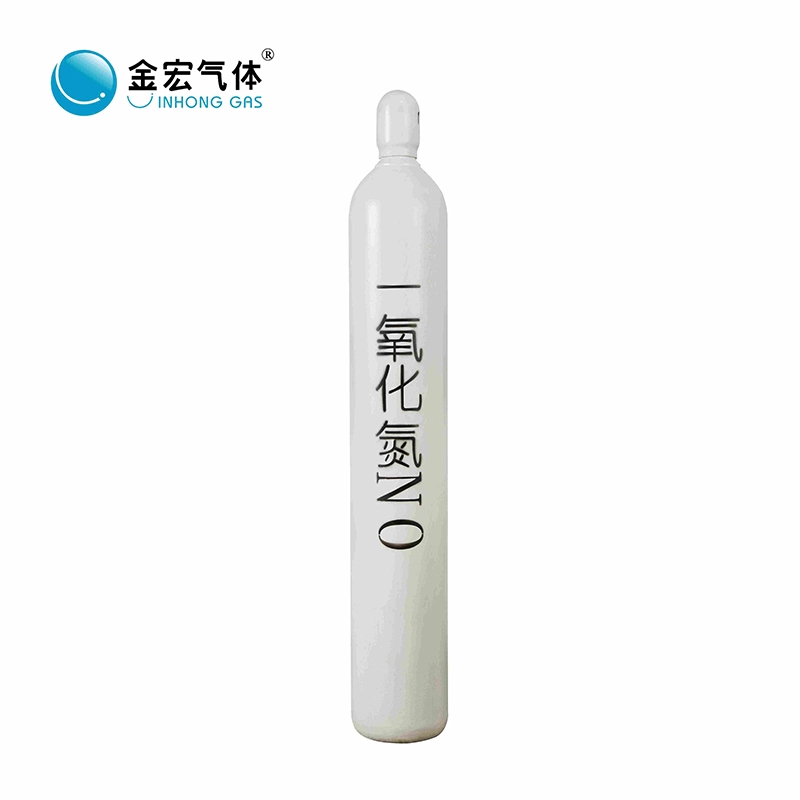
Óxido nítrico

Nitric oxide, with the chemical formula NO and a molecular weight of 30.01, is a compound. Its chemical properties are very active, and when it reacts with oxygen, it can form a corrosive gas – nitrogen dioxide.

Este sitio web utiliza cookies para mejorar su experiencia de navegación. Si continúa navegando, consideramos que acepta su uso.

Hable con nuestros expertos en gas....

Active JavaScript en su navegador para rellenar este formulario.
Introduzca su correo electrónico de trabajo