
Krypton and xenon are rare noble gases extracted from atmospheric air and play a strategically important role in modern semiconductor manufacturing. Although present only in trace concentrations—approximately 1 ppm for krypton and 87 ppb for xenon—their unique physical and chemical properties make them essential for advanced semiconductor processes.
Production from Cryogenic Air Separation Units (ASUs)
Krypton and xenon are produced as secondary products in cryogenic air separation units (ASUs). These facilities separate atmospheric air into oxygen, nitrogen, and argon based on differences in boiling points using cryogenic distillation. Rare gases such as neon, krypton, and xenon can be recovered only when additional recovery and purification equipment is installed.
The capability to collect krypton and xenon is not inherent to all ASUs. Whether this capability is included depends largely on market expectations at the time an ASU is designed and built, particularly anticipated rare gas prices and long-term demand. As a result, only about 100 ASUs worldwide currently recover krypton and xenon.
Large-scale ASUs, typically producing at least 2,000 tons per day of oxygen, are best suited for rare gas recovery due to lower capital cost per unit of krypton and xenon produced.

Yield Characteristics and Downstream Separation
During air separation, krypton and xenon are initially concentrated together in the crude oxygen stream. Because krypton is more abundant in the atmosphere and has similar physical properties to xenon, the two gases are usually collected together at an approximate ratio of 10:1 (krypton to xenon).
For every 1,000 tons of oxygen produced, an ASU can typically recover around 1.2 kg of xenon and 7 kg of krypton. A facility producing 2,000 tons of oxygen per day may therefore generate approximately 900 kg of xenon and 2,500 kg of krypton annually.
The collected krypton–xenon mixture is commonly transported to a separate location for further purification and final separation using dedicated cryogenic columns. Because krypton and xenon have a high value-to-volume ratio, they can be economically shipped over long distances, whereas oxygen is usually consumed locally via pipeline.
Why Krypton and Xenon Matter in Semiconductor Manufacturing
In semiconductor fabrication, krypton and xenon are valued for their chemical inertness, high atomic mass, and plasma stability. These characteristics are particularly important in advanced processes that require precise control over ion energy and plasma behavior.
Key semiconductor applications include:
- Deep trench plasma etching, especially for 3D NAND flash memory
- Ion implantation
- Transition metal sputtering
- Annealing and lithography-related processes
Krypton and xenon are commonly used in combination with fluorocarbon etchants such as C₄F₆ and CH₂F₂ to achieve high-aspect-ratio etching with controlled sidewall profiles. As device geometries continue to shrink and vertical structures become more complex, the demand for semiconductor-grade krypton and xenon continues to increase.
Key Properties of Krypton and Xenon Relevant to Semiconductor Manufacturing
| Property | Krypton (Kr) | Xenon (Xe) | Relevance to Semiconductor Processes |
|---|---|---|---|
| Atomic number | 36 | 54 | Higher atomic mass improves ion momentum transfer |
| Atmospheric concentration | ~1 ppm | ~87 ppb | Explains scarcity and supply constraints |
| Atomic mass (g/mol) | 83.8 | 131.3 | Heavier gases enhance plasma stability and etch control |
| Chemical reactivity | Inert | Inert | Prevents unwanted chemical reactions in plasma processes |
| Typical purity (semiconductor grade) | ≥ 99.999% | ≥ 99.999% | Required for advanced node manufacturing |
| Primary semiconductor uses | Etch, sputtering, implant | Etch, sputtering, implant | Critical for advanced logic and memory devices |
Supply Constraints and Market Volatility
Unlike specialty chemicals that can be produced independently, krypton and xenon supply is fundamentally constrained by oxygen production. Their availability depends on both the installed ASU capacity and operating rates, which are driven primarily by demand from steel mills, petrochemical plants, and other large oxygen consumers.
This indirect supply mechanism makes krypton and xenon markets particularly sensitive to industrial cycles and geopolitical events. In recent years, COVID-related shutdowns reduced ASU operating rates, while disruptions associated with the Ukraine conflict further constrained supply, leading to significant price volatility.
As a result, semiconductor manufacturers may experience supply risks influenced by factors far outside the electronics industry, such as steel demand or building insulation markets.
Reliable Semiconductor-Grade Supply: The Role of Jinhong Gas
Given the critical importance of krypton and xenon in advanced semiconductor manufacturing, stable and reliable supply has become a strategic concern for chipmakers.
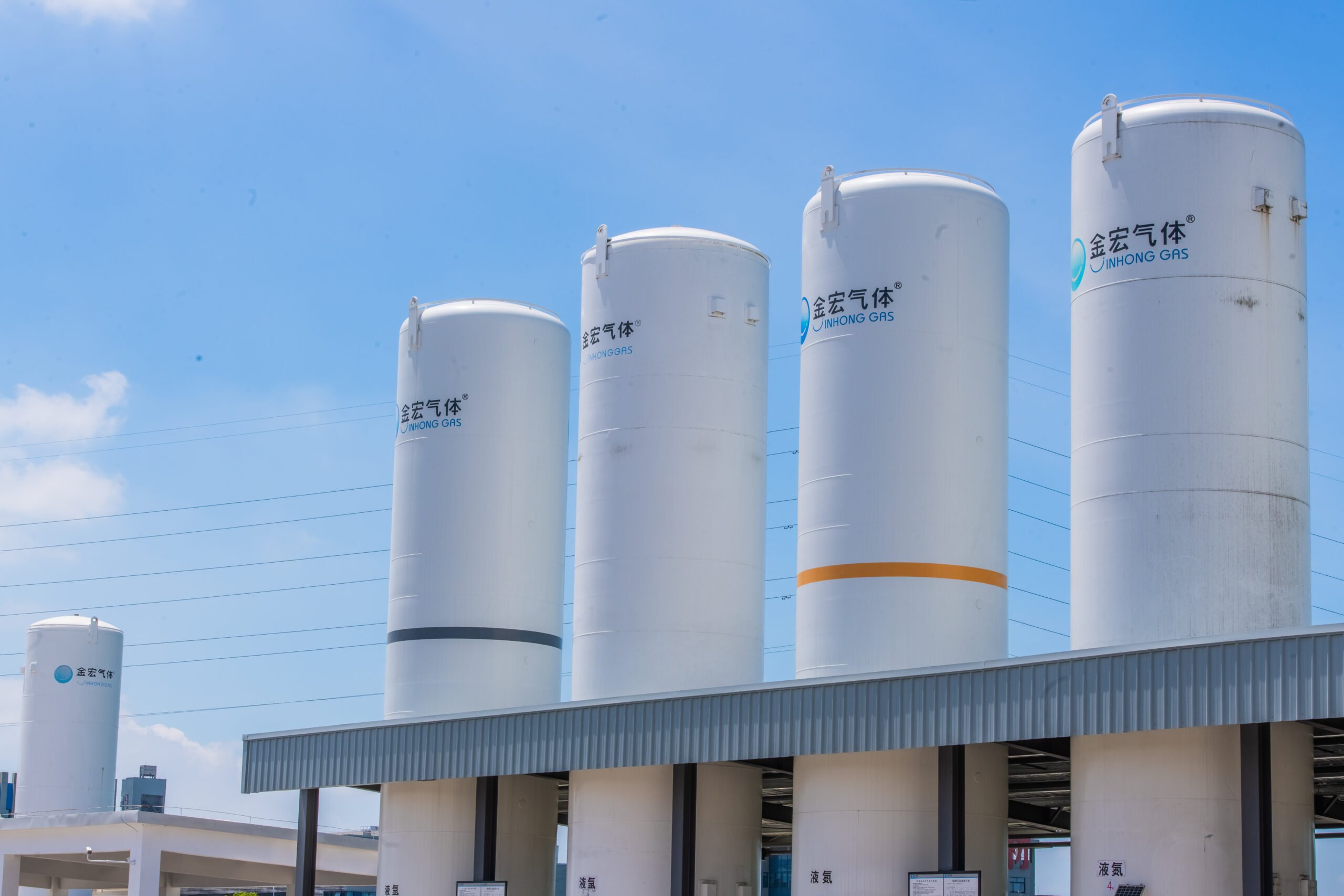
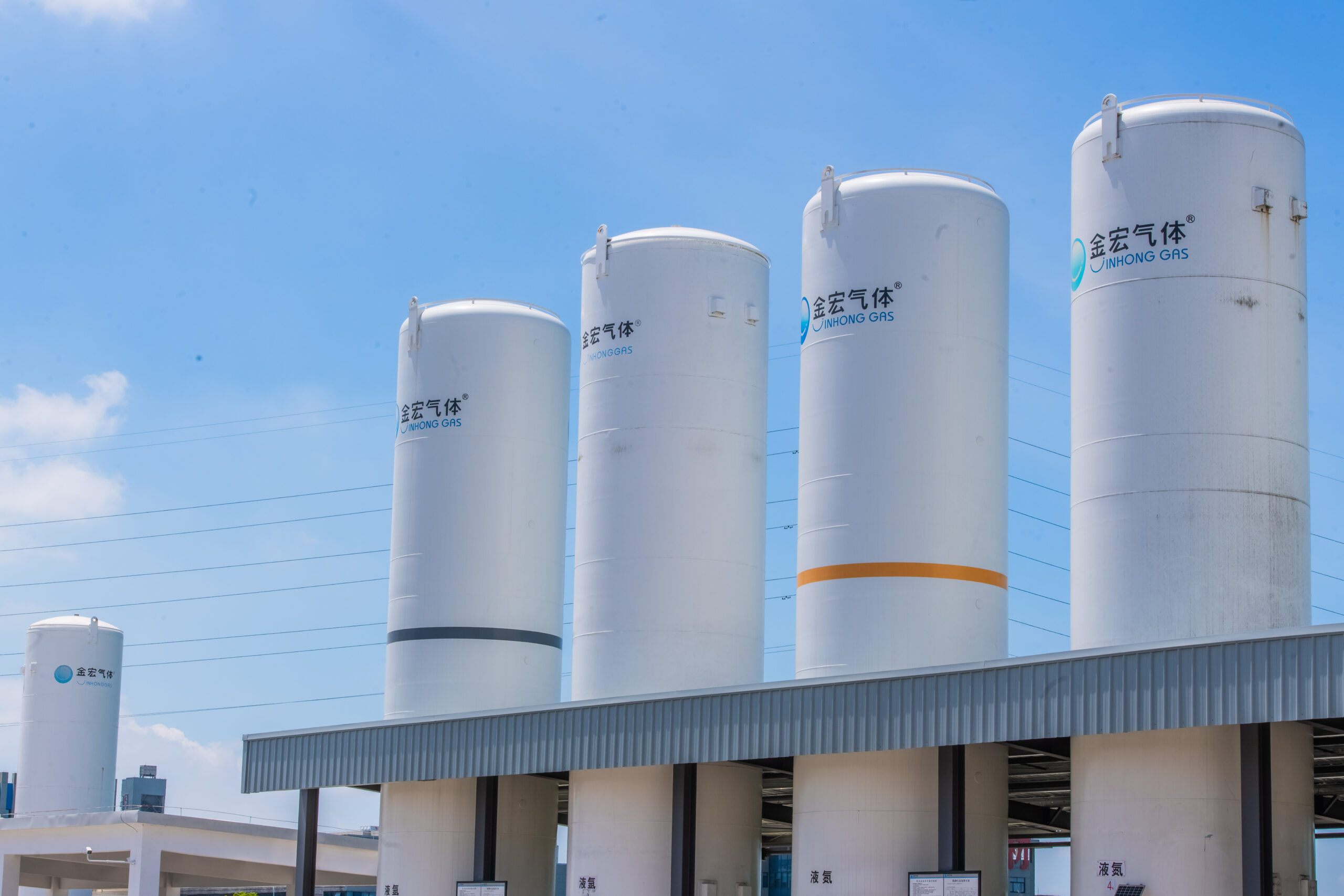
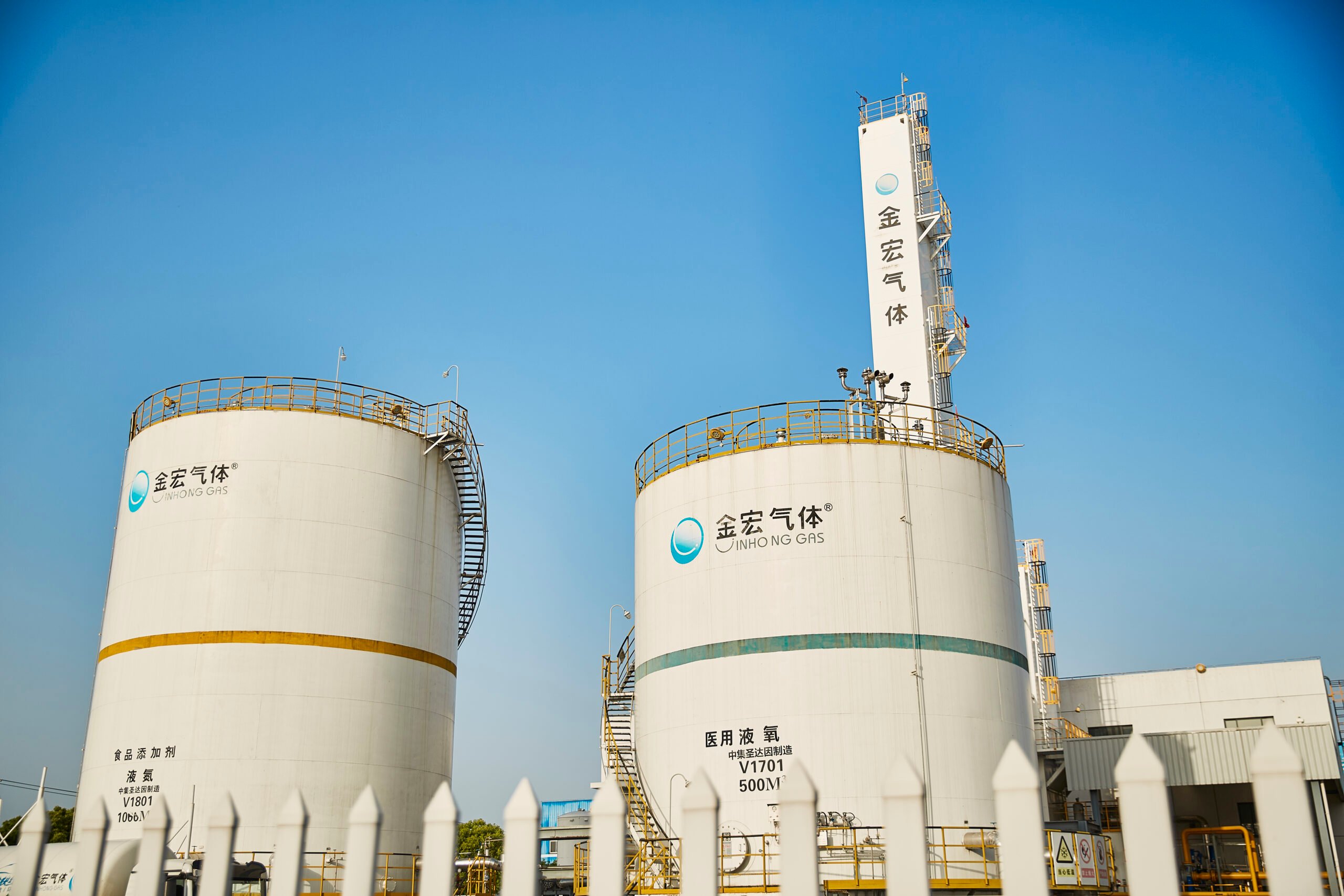
Jinhong Gas is a professional industrial and specialty gas supplier with extensive experience serving the semiconductor industry. The company supplies high-purity and semiconductor-grade krypton and xenon, supported by advanced purification technologies, strict quality control systems, and a robust supply network.
By aligning production, purification, and logistics with semiconductor customer requirements, Jinhong Gas helps mitigate supply risks and supports long-term process stability in an increasingly complex global rare gas market.
Key Drivers Affecting Krypton and Xenon Supply and Pricing
| Driver | Impact on Supply | Impact on Price | Explanation |
|---|---|---|---|
| Steel production demand | High | High | Drives oxygen demand and ASU operating rates |
| ASU installed capacity | High | High | Limited number of rare-gas-capable ASUs |
| Semiconductor demand | Medium | Medium | Competes with other industries |
| Geopolitical disruptions | High | High | Concentrated production regions increase risk |
| Logistics and purification | Medium | Medium | High purity requirements increase cost |
Conclusion
Although krypton and xenon are present in the atmosphere only in trace amounts, they play an outsized role in modern semiconductor manufacturing. From air separation economics to advanced plasma processes and global supply chain risks, these rare gases connect traditional heavy industry with cutting-edge electronics. As semiconductor technologies continue to evolve, securing a stable supply of high-purity krypton and xenon will remain essential.
References:
1.Xenon – the NIST WebBook https://webbook.nist.gov/cgi/inchi/InChI%3D1S/Xe.
2. Krypton (comics) https://en.wikipedia.org/wiki/Krypton_(comics)
 English
 Indonesian
 Korean
 Japanese
 Malay
Malay German
 Spanish
 French
 Portuguese
 Arabic
 Italian
 Polish
 Dutch
Dutch Vietnamese
 Russian