
Medical oxygen gas is one of the most essential resources in modern healthcare. As global demand grows across hospitals, clinics, emergency services, and home-care environments, users frequently ask questions such as “What is medical oxygen gas?”, “Why do patients need it?”, “When should medical oxygen be used?”, and “How do healthcare facilities secure a stable supply?”
This article addresses these key questions and explains why choosing a certified supplier like JinHong Gas is critical for medical safety and reliability.
1. What Is Medical Oxygen Gas?
Medical oxygen gas is oxygen with a controlled purity level—typically ≥ 99.5%—produced and filled under pharmaceutical-grade standards.
It must meet strict requirements related to:
- Purity and impurity control (O₂, moisture, CO, CO₂, hydrocarbons)
- Cleanliness of cylinders and pipelines
- Microbiological safety
- Batch traceability
- ISO / GMP compliance
Unlike industrial oxygen, medical oxygen is processed and distributed under regulated medical protocols to ensure it is safe for human inhalation.
2. Why Is Medical Oxygen Gas Important?
Medical oxygen supports vital physiological functions and is used across a wide range of clinical scenarios. It is essential for:
• Treating respiratory failure
Conditions such as COPD, pneumonia, asthma, ARDS, and COVID-related issues require controlled oxygen therapy.
• Emergency and trauma care
Ambulances, operating rooms, and ICUs rely on medical oxygen to stabilize breathing and prevent organ damage.
• Maintaining oxygenation during anesthesia
All modern anesthetic procedures use oxygen to ensure safe sedation and protect patient respiratory function.
• Supporting neonatal and pediatric care
Premature infants and children with acute respiratory conditions depend on precisely regulated oxygen supply.
• Improving tissue oxygenation
In cases of shock, cardiac arrest, poisoning, and severe injury, oxygen therapy restores oxygen-deprived tissues and prevents irreversible damage.
Medical oxygen gas literally enables life-saving treatment across the entire healthcare system.
3. When Is Medical Oxygen Needed?
Healthcare providers administer medical oxygen when:
- Blood oxygen saturation (SpO₂) drops below accepted levels
- A patient has difficulty breathing independently
- Airway obstruction or lung impairment reduces oxygen intake
- A medical procedure requires controlled oxygenation
- Emergency responders need to stabilize a patient before reaching the hospital
- Long-term home-care patients require supplemental oxygen
In modern medicine, oxygen is indispensable—hospitals cannot function safely without it.
4. What Is the Difference Between Medical Oxygen and Industrial Oxygen?
This is one of Google’s most common “WHAT” questions.
| Medical Oxygen | Industrial Oxygen |
|---|---|
| Produced under GMP/pharmaceutical standards | Produced for industrial combustion or processes |
| ≥ 99.5% purity with strict impurity limits | Purity varies depending on application |
| Cylinders cleaned and sterilized for medical use | Cylinders not cleaned to medical standards |
| Fully traceable batches | No medical traceability requirements |
| Safe for human inhalation | Not safe for breathing |
Using industrial oxygen for medical care is dangerous and strictly prohibited.
5. How Do Hospitals and Clinics Secure Medical Oxygen Gas?
Medical facilities can obtain oxygen through three main channels:
1) Cylinder Supply
Suitable for clinics, dental centers, ambulances, and small hospitals.
2) Liquid Medical Oxygen (LMO)
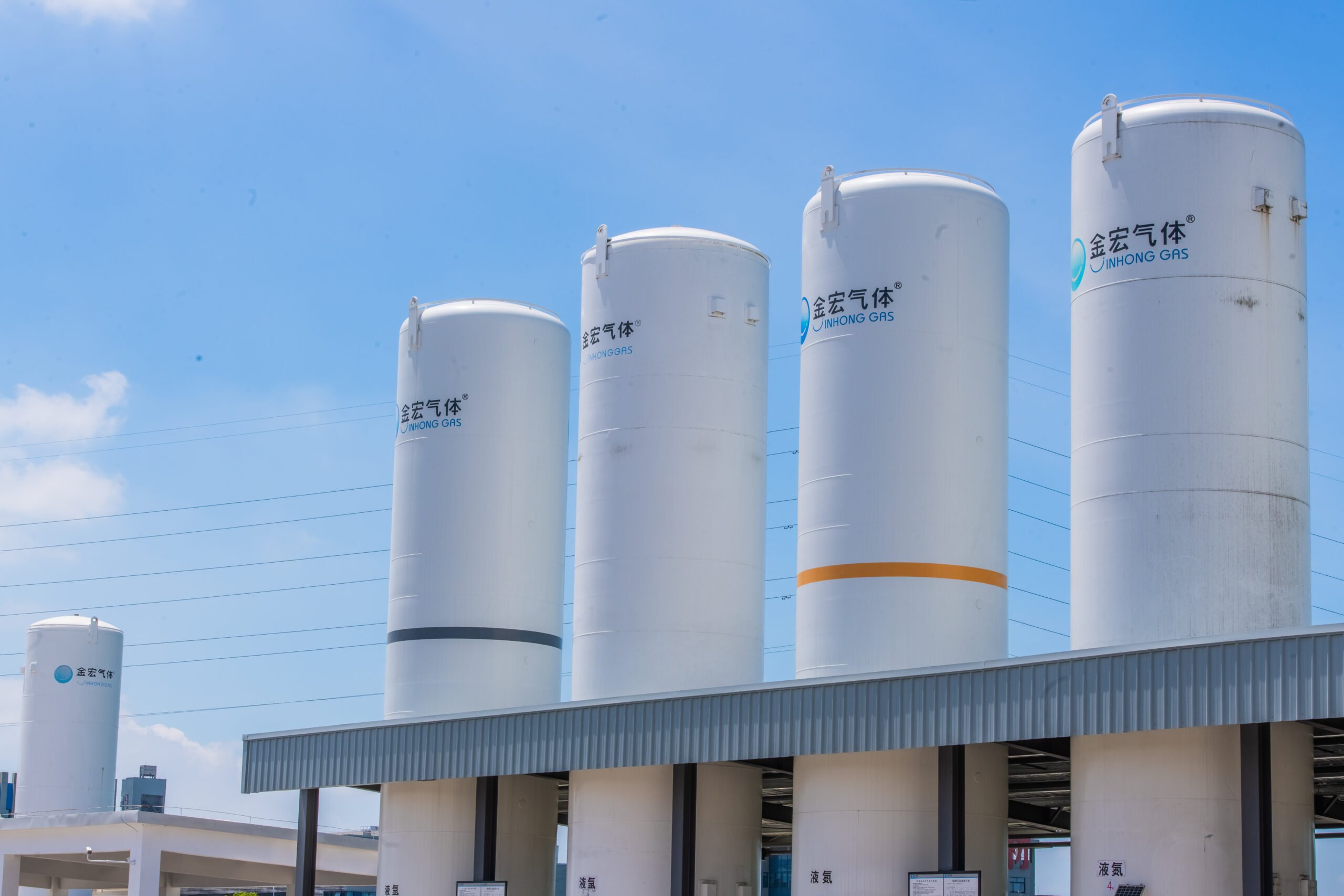
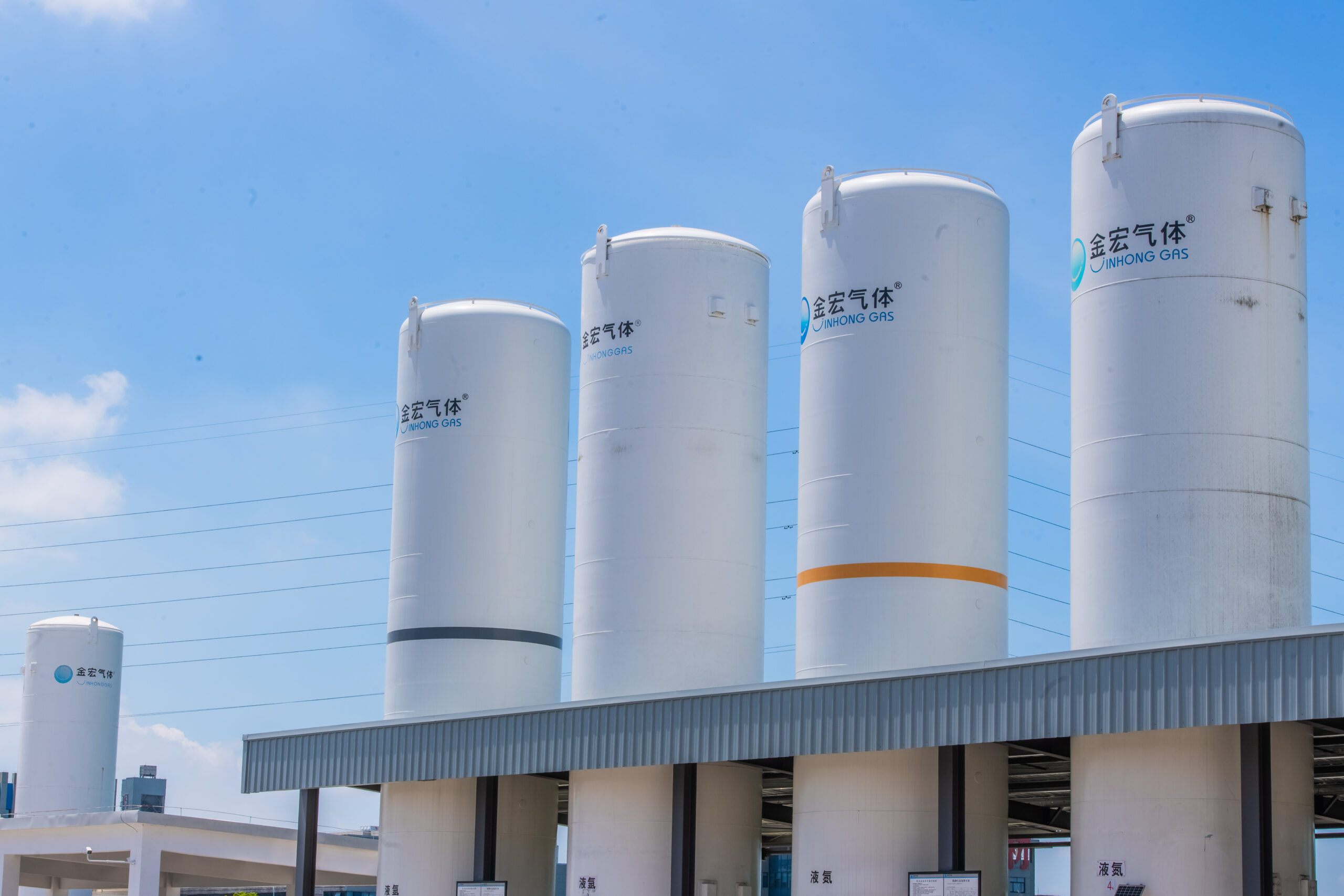
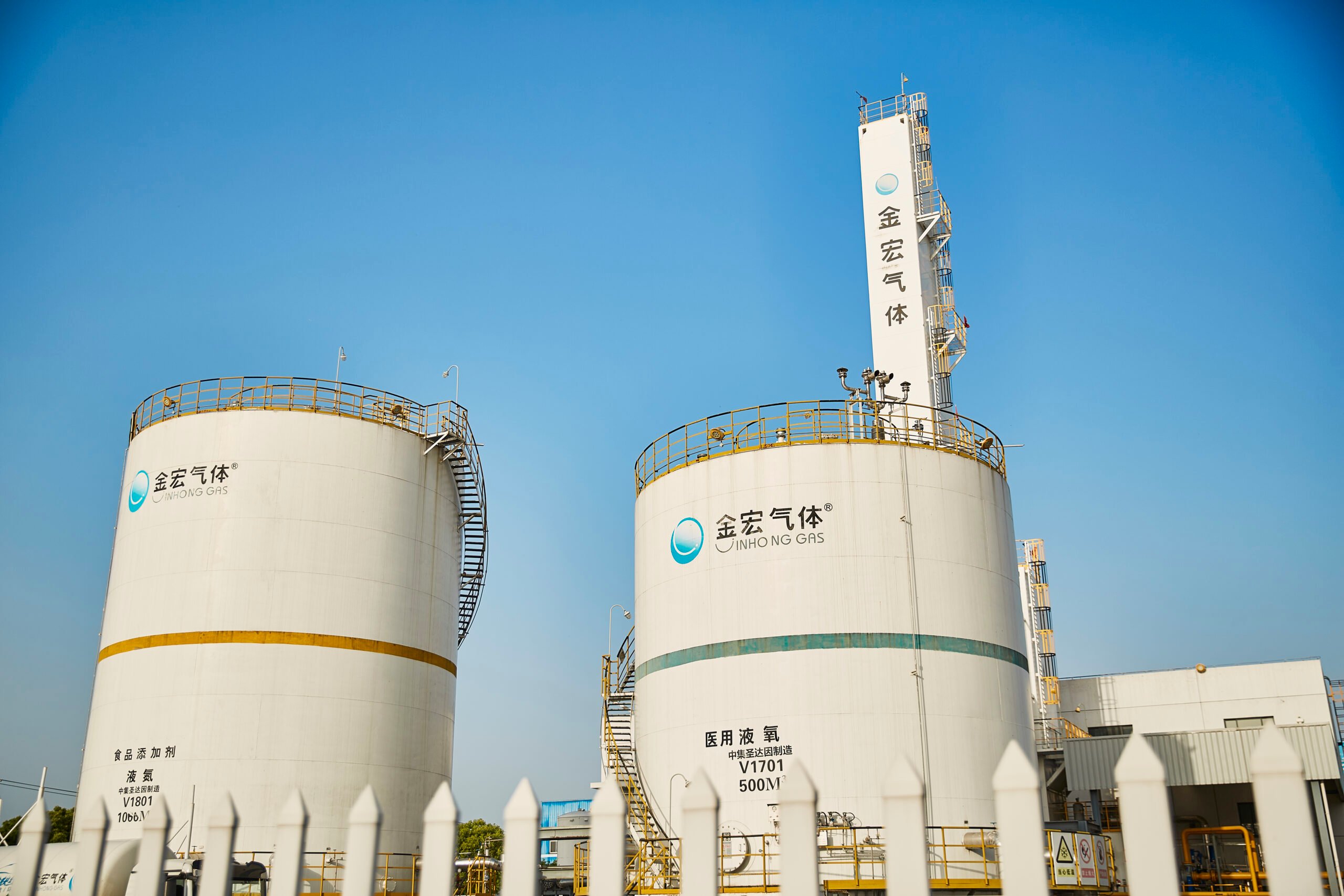
Used in large hospitals with high and stable consumption.
3) On-Site Medical Oxygen Generators (PSA Oxygen Systems)
A growing choice worldwide due to cost reduction and 24/7 availability.
6. Why Choose JinHong Gas as Your Medical Oxygen Supplier?
As one of China’s largest privately-owned gas companies, JinHong Gas provides healthcare institutions with:
✔ GMP-compliant medical oxygen
Produced in controlled facilities with pharmaceutical-grade quality standards.
✔ Full traceability and quality documentation
Including COA, batch records, and cylinder sterilization reports.
✔ Reliable nationwide logistics and rapid emergency supply
Ensuring uninterrupted oxygen availability for critical care.
✔ Liquid oxygen, cylinders, and PSA oxygen systems
Allowing hospitals to choose the best model based on cost and consumption.
✔ International export capability
Serving medical institutions in Asia, Europe, and other global markets.
✔ Technical support and on-site installation
For oxygen pipeline systems, bulk tanks, and generator commissioning.
When patient safety depends on oxygen purity, choosing a certified partner is essential.
 English
 Indonesian
 Korean
 Japanese
 Malay
Malay German
 Spanish
 French
 Portuguese
 Arabic
 Italian
 Polish
 Dutch
Dutch Vietnamese
 Russian