
Oxygen is fundamental to human life. Although it is naturally present in the air we breathe, many patients are unable to absorb enough oxygen on their own due to illness or respiratory disorders. For these individuals, supplemental oxygen—commonly referred to as oxygen therapy—plays a vital role in supporting normal body function, improving energy levels, enhancing sleep quality, and ensuring overall well-being.
A Brief History of Medical Oxygen
Oxygen has been known to support respiration since the early 1800s. The first documented medical use of oxygen dates back to 1810, but it took more than a century before oxygen became widely adopted in clinical settings. From the early to mid-20th century, oxygen therapy gradually developed into a standardized and scientific medical practice.
Today, it is impossible to imagine modern healthcare without a stable supply of medical oxygen. It is a critical component in emergency medicine, intensive care, surgery, neonatal care, and long-term treatment for chronic diseases.
Modern Use of Medical Oxygen in Healthcare
Medical oxygen is used in hospitals, ambulances, clinics, and even homes. Its applications range from life-support during surgery to long-term therapy for patients with chronic respiratory conditions.
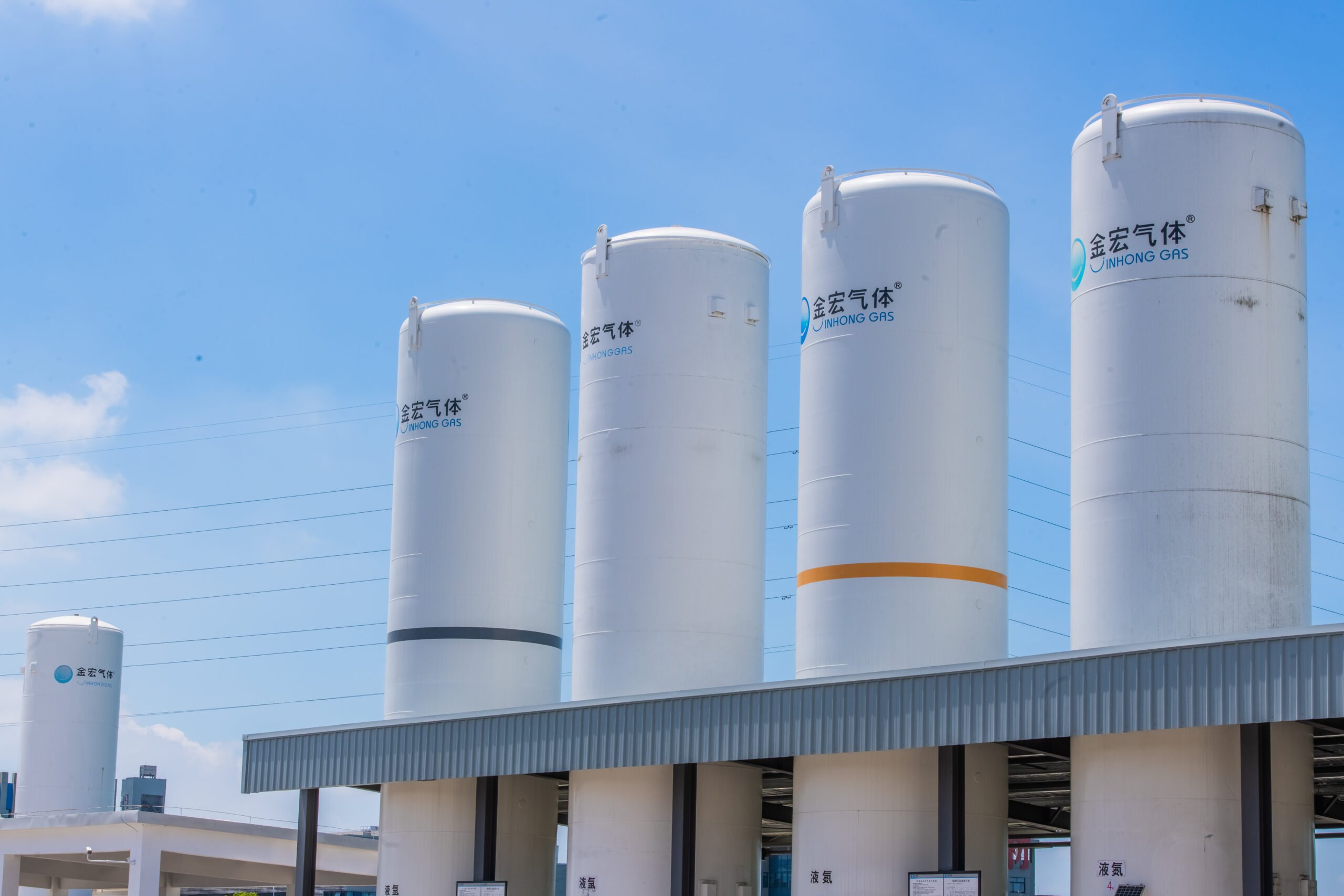
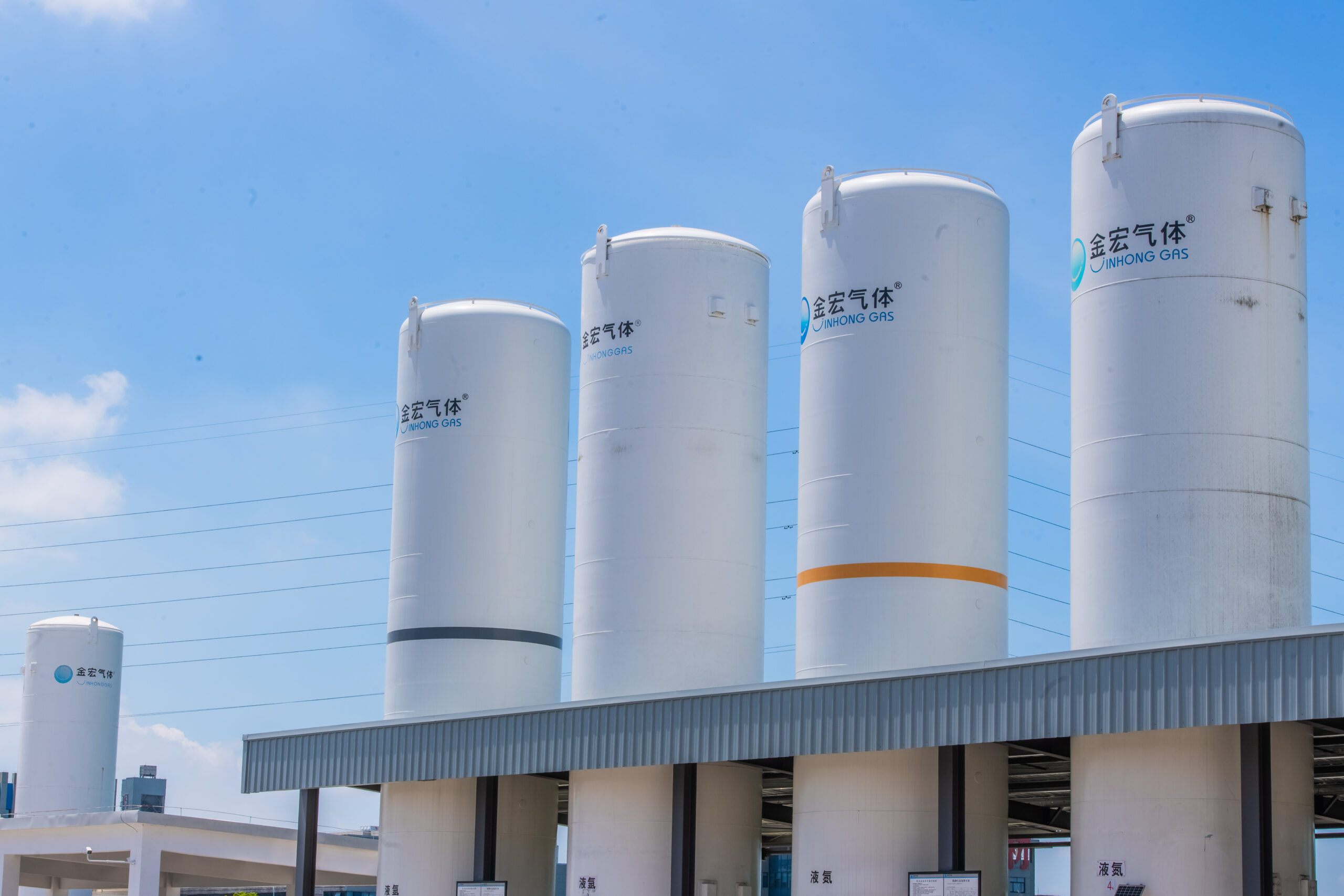
The equipment used for oxygen therapy varies depending on the patient’s condition and the recommendations of medical professionals. Hospitals traditionally relied on gas cylinders, but many are now shifting to on-site oxygen generation systems, which extract nitrogen from ambient air and deliver high-purity oxygen continuously.
Why Hospitals Choose On-Site Oxygen Generators
Compared with cylinders, on-premises oxygen generation offers several advantages:
- Uninterrupted oxygen supply
- Lower long-term operating costs
- No need for frequent cylinder transportation or storage
- Improved safety and operational efficiency
- Better control over purity and production
For healthcare facilities, oxygen generators have become essential infrastructure, making the selection of a reliable supplier critical for patient safety.
Applications of Medical-Grade Oxygen
Medical oxygen is used across a wide range of clinical situations, including:
1. Treating Respiratory Insufficiency
Patients with conditions such as COPD, pneumonia, asthma attacks, or acute respiratory failure often require supplemental oxygen.
2. Life Support for Ventilated Patients
Oxygen is delivered through ventilators to support or replace spontaneous breathing.
3. Stabilizing Critically Ill Patients
In emergencies—such as cardiac arrest, shock, severe trauma, or poisoning—oxygen helps maintain vital organ function.
4. Anesthesia in Surgery
Modern anesthesia techniques depend on oxygen as a carrier gas to ensure safe and controlled sedation.
5. Enhancing Tissue Oxygenation
Oxygen therapy improves oxygen availability in damaged or hypoxic tissues, aiding recovery and reducing complications.
Are There Side Effects of Medical Oxygen?
Medical oxygen is generally safe when used under professional supervision. However, extra caution is required for:
- Premature infants
- Patients with chronic bronchitis or emphysema
In these cases, oxygen must be administered carefully to avoid suppressing natural respiratory drive. Outside of such specific situations, oxygen has no known harmful side effects when used appropriately.

 English
 Indonesian
 Korean
 Japanese
 Malay
Malay German
 Spanish
 French
 Portuguese
 Arabic
 Italian
 Polish
 Dutch
Dutch Vietnamese
 Russian