
What Is a Semiconductor?
A semiconductor device is a highly complex structure composed of billions of transistors and integrated circuits working together to perform logic, memory, sensing, and power management functions. These devices form the foundation of modern electronics, enabling applications ranging from consumer electronics and automotive systems to industrial automation and data centers.

How Are Semiconductors Manufactured?
Semiconductor fabrication is a multi-step process carried out in highly controlled cleanroom environments. Key process steps typically include:
- Photolithography and patterning
- Thin film deposition
- Plasma etching
- Chemical-mechanical planarization (CMP)
- Cleaning and surface preparation
Each of these steps must be precisely controlled at the atomic or molecular level, especially as technology nodes continue to shrink.
The Role of Gases in Semiconductor Fabrication
High-purity gases are involved in nearly every stage of semiconductor manufacturing. They serve different functions depending on the process step:
- Carrier and dilution gases (e.g., nitrogen, argon)
- Reactive process gases for deposition and etching
- Plasma-support gases that influence ion energy and uniformity
- Cleaning and purge gases to prevent contamination
As device geometries become smaller and architectures more complex, the functional requirements of each gas—purity, consistency, and impurity control—become increasingly critical.
Why High-Purity Gases Are Essential
High-purity chemicals and gases are essential to ensure device performance, yield, and long-term reliability. Even trace levels of contaminants such as moisture, oxygen, hydrocarbons, or metal impurities can lead to:
- Increased defect density
- Unintended chemical reactions during plasma processes
- Variations in electrical characteristics
- Reduced device lifetime and yield loss
As semiconductor technology advances from mature nodes to advanced logic and memory processes, gas purity requirements have evolved from standard industrial grades to semiconductor-grade and electronic-grade specifications, often exceeding 99.999% purity.
Shrinking Technology Nodes and Rising Purity Requirements
As technology nodes continue to scale down, process margins become narrower. This increases sensitivity to contamination and drives demand for:
- Higher gas purity levels
- Tighter impurity specifications
- Improved analytical characterization and quality control
- Consistent batch-to-batch performance
At the same time, advanced processes require more specialized gas chemistries, further increasing the complexity of gas supply and qualification.
Reliable Supply of High-Purity Gases for Semiconductor Manufacturing
In this environment, semiconductor manufacturers require gas suppliers that not only deliver high-purity products, but also understand the technical and operational demands of fab production.
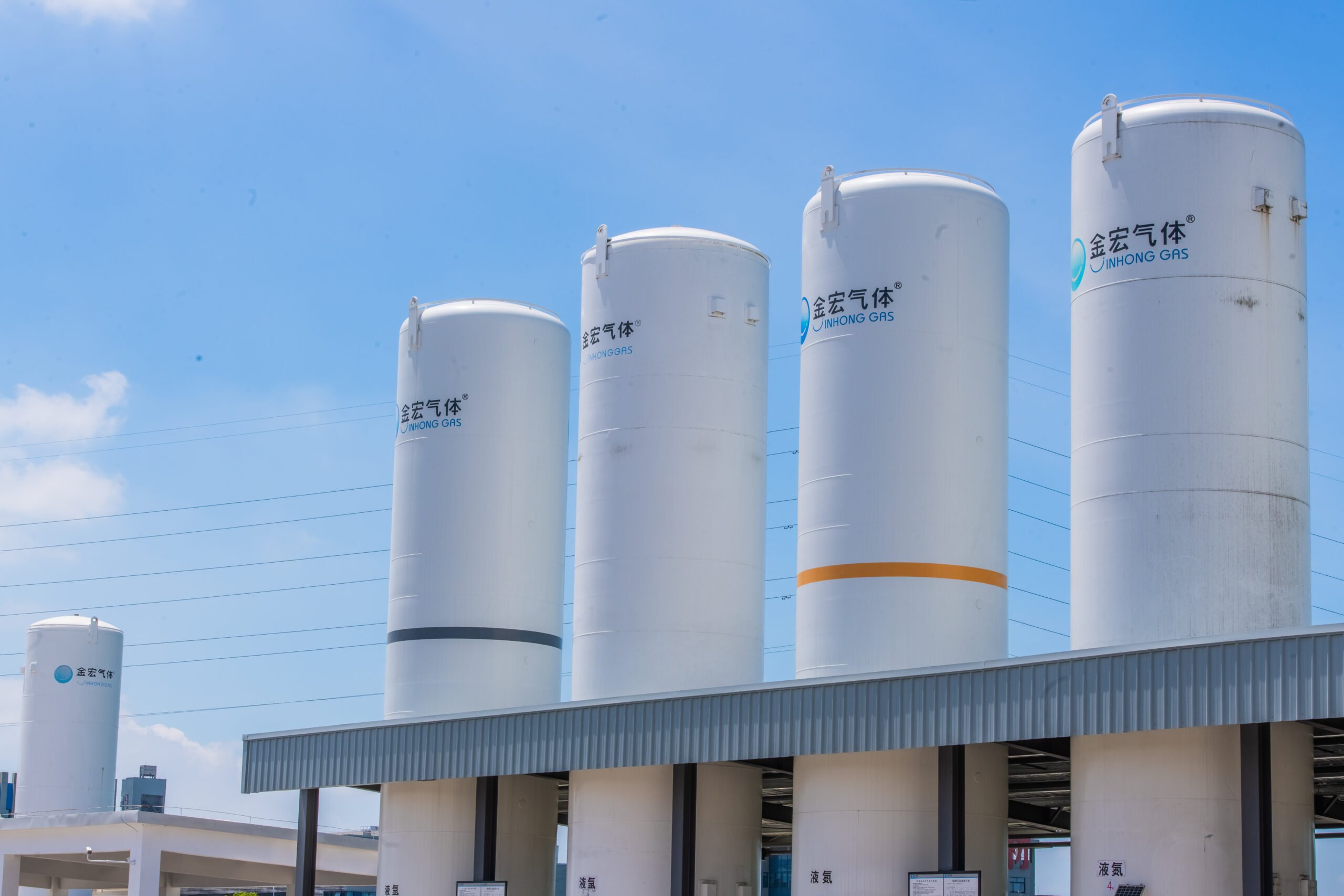
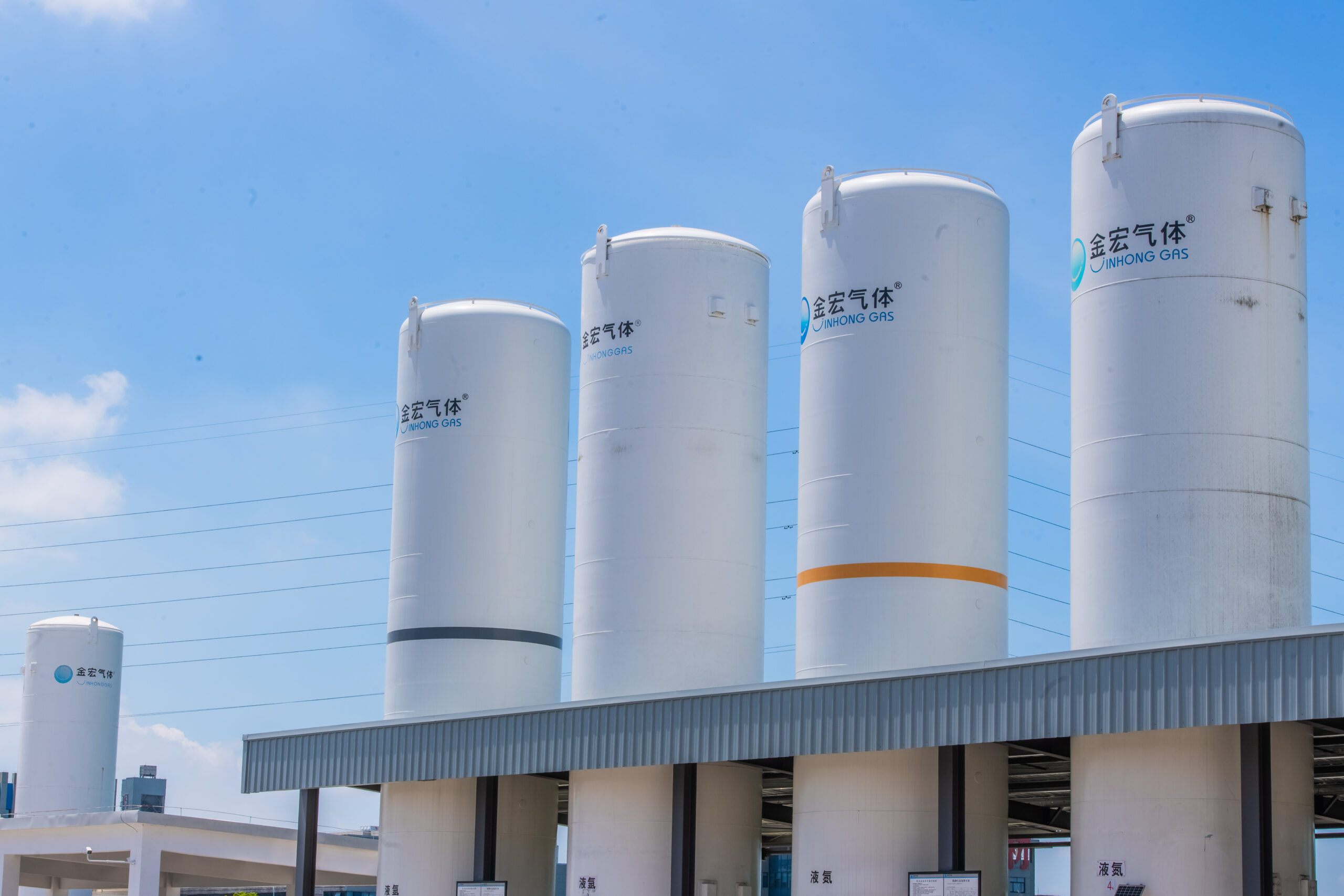
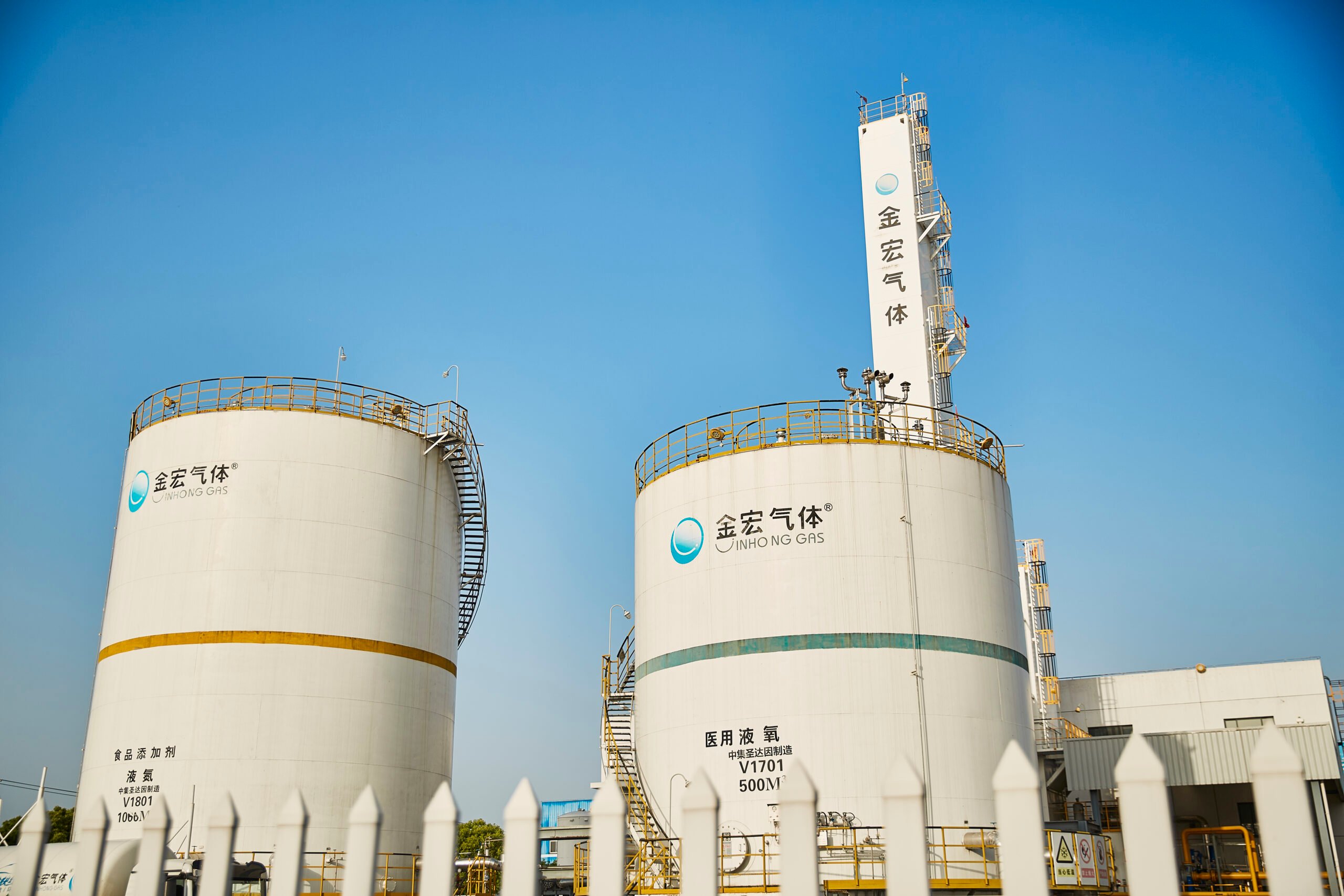
Jinhong Gas is a professional industrial and specialty gas supplier with extensive experience supporting the semiconductor industry. The company provides a wide range of high-purity and electronic specialty gases used in semiconductor fabrication, supported by advanced purification technologies, robust analytical capabilities, and strict quality management systems.
By aligning product quality, supply stability, and technical support with semiconductor customer requirements, Jinhong Gas helps ensure reliable gas delivery for both current and next-generation manufacturing nodes.
Conclusion
Semiconductor fabrication is one of the most complex manufacturing processes in modern industry, and high-purity gases are a foundational element at every stage. As technology nodes shrink and process requirements become more demanding, the importance of gas purity, consistency, and reliable supply continues to grow. Selecting experienced suppliers with deep semiconductor knowledge is therefore essential for sustaining yield, performance, and long-term production stability.、
References:
1.Semiconductor device fabrication https://en.wikipedia.org/wiki/Semiconductor_device_fabrication
2.6 crucial steps in semiconductor manufacturing https://www.asml.com/news/stories/2021/semiconductor-manufacturing-process-steps
Frequently Asked Questions (FAQ)
1. What types of gases are considered high-purity gases in semiconductor fabrication?
High-purity gases in semiconductor manufacturing typically include nitrogen, argon, hydrogen, helium, oxygen, and a wide range of electronic specialty gases used for deposition, etching, implantation, and cleaning processes. These gases are usually classified as semiconductor-grade or electronic-grade, with purity levels commonly reaching 99.999% (5N) or higher, depending on process requirements and technology nodes.
2. Why does gas purity become more critical as semiconductor technology nodes shrink?
As technology nodes shrink, device dimensions and process margins become smaller, making manufacturing processes more sensitive to contamination. Trace impurities such as moisture, oxygen, hydrocarbons, or metallic particles can cause defects, impact plasma stability, and lead to yield loss. Higher purity gases help ensure consistent process performance and improved device reliability at advanced nodes.
3. Can industrial-grade gases be used in semiconductor manufacturing?
Industrial-grade gases are generally not suitable for semiconductor fabrication. They typically allow higher impurity levels and lack the strict quality control, analytical characterization, and batch consistency required in semiconductor processes. Semiconductor manufacturing requires gases produced, purified, and packaged under tightly controlled conditions to meet electronic-grade specifications.
4. What should semiconductor manufacturers consider when selecting a high-purity gas supplier?
Key considerations include gas purity and consistency, impurity control, analytical and quality management capabilities, supply stability, packaging and delivery systems, and the supplier’s experience with semiconductor manufacturing requirements. Working with suppliers such as Jinhong Gas, which understand semiconductor process demands and maintain robust quality systems, can help reduce supply risk and support long-term production stability.
 English
 Indonesian
 Korean
 Japanese
 Malay
Malay German
 Spanish
 French
 Portuguese
 Arabic
 Italian
 Polish
 Dutch
Dutch Vietnamese
 Russian