
Electronic-grade silane gas is a type of specialty electronic gas produced through controlled chemical reactions and purification processes using raw materials such as silicon powder, hydrogen, silicon tetrachloride, and catalysts. Silane with a purity level of 6N (99.9999%) or higher is classified as electronic-grade silane.
Silane was first discovered in 1857 by German chemist H. Buff. However, due to the lack of practical application scenarios, silane remained primarily a laboratory research material for nearly a century and was not commercialized. It was not until the 1950s—along with the rapid development of the semiconductor and photovoltaic industries—that silane began to see large-scale industrial applications.
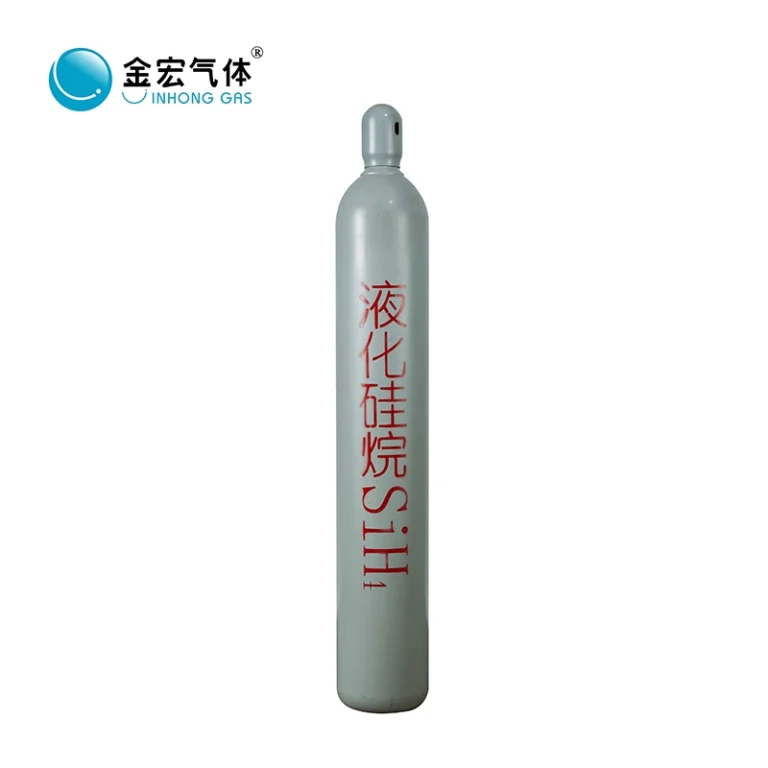
Production and Applications of Electronic-Grade Silane Gas
The main raw materials used in the production of electronic-grade silane include silicon powder, hydrogen, silicon tetrachloride, and catalysts. The purity and quality of these materials play a decisive role in determining the final product quality. As a result, silane production requires advanced technical expertise and strict control over production processes.
Electronic-grade silane is widely used in semiconductor manufacturing, solar cell production, and display panel fabrication. In semiconductor processes, silane serves as a key precursor for epitaxial deposition, silicon oxide film deposition, and silicon nitride film deposition. In chemical vapor deposition (CVD) processes, silane is commonly used as a silicon source gas. Under high temperatures or plasma conditions, silane decomposes and deposits silicon films onto substrates.
In photovoltaic manufacturing, silane is primarily used in the preparation of amorphous silicon thin films, which are critical for solar cell efficiency.
Overview of Electronic-Grade Silane (SiH₄): Applications, Risks, and Key Requirements
| Category | Details |
|---|---|
| Gas Name | Silane (SiH₄) |
| Gas Type | Electronic specialty gas |
| Electronic-Grade Purity | ≥ 6N (99.9999%) |
| Main Raw Materials | Silicon powder, hydrogen, silicon tetrachloride, catalysts |
| Key Production Requirements | High-purity raw materials, advanced reaction control, strict purification processes |
| Primary Application Industries | Semiconductor manufacturing, solar photovoltaics, LED and display panel production |
| Core Process Applications | Epitaxial deposition, silicon oxide film deposition, silicon nitride film deposition |
| Typical Deposition Method | Chemical Vapor Deposition (CVD) |
| Photovoltaic Application | Amorphous silicon thin-film preparation |
| Emerging Applications | New energy battery materials and advanced functional materials |
| Current Application Characteristics | Mainly thin-film coating processes with relatively low unit consumption |
| Trend in New Materials | Used directly as a high-purity silicon source with significantly higher unit consumption |
| Annual Production in China | Approximately 7,986 metric tons |
| Key Hazard Characteristics | Highly flammable, potentially toxic, pyrophoric under certain conditions |
| Main Safety Challenges | Exhaust gas treatment, leak prevention, safe storage and transportation |
| Recommended Safety Measures | Outdoor installation, forced ventilation, leak detection, emergency shutdown, fire protection systems |
Expanding Applications and Market Development
With the continuous expansion of application scenarios, silane gas has gradually entered emerging fields such as new energy battery materials. At present, most applications of electronic-grade silane are still focused on coating and thin-film deposition processes, where individual consumption volumes are relatively small.
However, in new material applications, electronic-grade silane is increasingly used directly as a high-purity silicon source, resulting in significantly higher consumption per application compared to traditional uses. Currently, the annual production capacity of electronic-grade silane gas in China is approximately 7,986 metric tons.
Safety Risks and Exhaust Gas Treatment Challenges
In high-tech industries such as semiconductor manufacturing and photovoltaic production, specialty gases like silane (SiH₄) are widely used. However, exhaust gases from these processes often possess high toxicity and flammability, posing serious risks to both the environment and human health if not handled properly.
As a result, effective exhaust gas treatment and safe storage and transportation of silane are critical challenges faced by these industries.
Silane Hazards and Exhaust Gas Treatment Technology Comparison Table
(table heading retained as per original content)
Storage and Transportation of Silane Gas
1) Locating Silane Storage and Use Systems Outdoors
The most effective way to reduce the risk of delayed ignition and fire hazards is to locate silane systems outdoors whenever possible. Outdoor placement allows natural ventilation to dilute leaked silane gas to concentrations below the Lower Flammable Limit (LFL) and prevents vapor cloud accumulation, thereby minimizing overpressure from vapor cloud explosions.
Under well-ventilated conditions, if silane leakage occurs, igniting the released gas is recommended to prevent combustible vapor cloud formation and delayed ignition.
If silane is released into an enclosed space, the surrounding air may heat up and expand, potentially generating pressure waves that can cause injury and damage nearby structures and equipment. Outdoor installation significantly reduces or eliminates these risks.
Regulations require that at least 75% of outdoor storage areas remain open space, allowing air to freely flow past potential leak sources such as valves and mechanical fittings. If this cannot be achieved, standards such as AIGA 052/08 require the implementation of forced ventilation measures to further mitigate risk.
2) Forced Ventilation
In areas where natural ventilation is insufficient, forced ventilation must be implemented to prevent the accumulation of unignited silane gas.
For any non-outdoor storage area (defined as less than 75% open space), a risk assessment should be conducted to determine the need for forced ventilation. Forced ventilation systems use blowers to direct airflow through ducts and nozzles toward potential leak points.
Standards such as AIGA 052/08 specify that air should flow past cylinder valves and connections at a minimum velocity of 0.8 m/s (150 ft/min). For indoor storage or use without gas cabinets or exhaust enclosures, rooms must be equipped with exhaust systems capable of at least 1 cubic foot per minute per square foot (300 L/min/m²) or a minimum of six air changes per hour, whichever provides better ventilation.
Exhaust airflow in all indoor storage areas must be continuously monitored, with alarms triggered in the event of airflow loss.
3) Separation Distance, Firewalls, and Exhaust Hoods
Silane storage and usage standards define minimum separation distances from property lines, other buildings, and hazardous material systems. In some cases, installing a two-hour fire-rated firewall between silane containers and adjacent objects may allow the minimum separation distance to be reduced to 1.5 meters.
4) Exhaust and Treatment
While direct venting of silane to the atmosphere is generally recommended, several precautions must be observed:
- Silane should be pre-diluted with inert gas to reduce concentration below the flammability limit of 1.4%.
- Exhaust systems must be continuously purged with inert gas to prevent reactions between silane and oxygen.
- Exhaust flow loss must be monitored.
- Adequate clearance must be maintained around exhaust outlets to prevent damage from radiant heat.
- All pressure regulators must be equipped with vent piping directed to safe locations.
- Treatment methods may include dilution, thermal oxidation, RF plasma treatment, or wet scrubbing using sodium hydroxide or other highly reactive media. Dilution is the simplest, most cost-effective, and most reliable method.
5) Rapid Leak Detection and Emergency Shutdown
Silane systems must be capable of detecting leaks and initiating automatic shutdown. Recommended measures include:
- UV/IR flame detectors monitoring all connections
- Hydride gas sensors in distribution areas
- Gas detectors for exhaust enclosures and indoor panel systems
- Fail-safe automatic shutoff valves triggered by alarms
- Emergency stop buttons on control panels and remote shutdown capability
- Pneumatic ASO valve supply lines made of polymer tubing designed to fail during fire conditions
6) Leak Prevention Measures
To reduce the likelihood of system leaks:
- Minimize mechanical joints; use high-integrity fittings such as VCR® connections
- Install indoor mechanical joints inside exhaust enclosures
- Use regulators with stainless steel diaphragms and vent piping
- Equip all container connections with metal VCR® gaskets or DISS fittings
- Avoid flexible hoses in silane systems
- Use metal piping rated for maximum system pressure
- Conduct leak testing with inert gas at 110% operating pressure
- Use pneumatic cylinder valves instead of manual valves
- Install Restricted Flow Orifices (RFOs) at container outlets
7) Dedicated Purge Procedures
Dedicated inert gas must be used for purging. General-purpose gas systems are not permitted. Additional requirements include:
- Vacuum evacuation for optimal purging
- Continuous monitoring of purge gas flow
- Automated purge procedures
- Backflow prevention, low purge pressure alarms, and purge panel overpressure protection
8) Fire Protection Systems
Fire protection systems play a critical role in mitigating silane hazards. Halogenated fire extinguishing agents must not be used, as silane may react violently with halocarbons.
Fire protection systems should include:
- Water spray cooling for gas containers during fire events
- Automatic sprinkler systems for large-capacity silane containers, activated via UV/IR detectors (manual activation optional)
- Fire pumps with emergency power supply
- Adequate water reservoirs or hydrants
- Fusible-link sprinklers installed at silane container locations
About Jinhong Gas
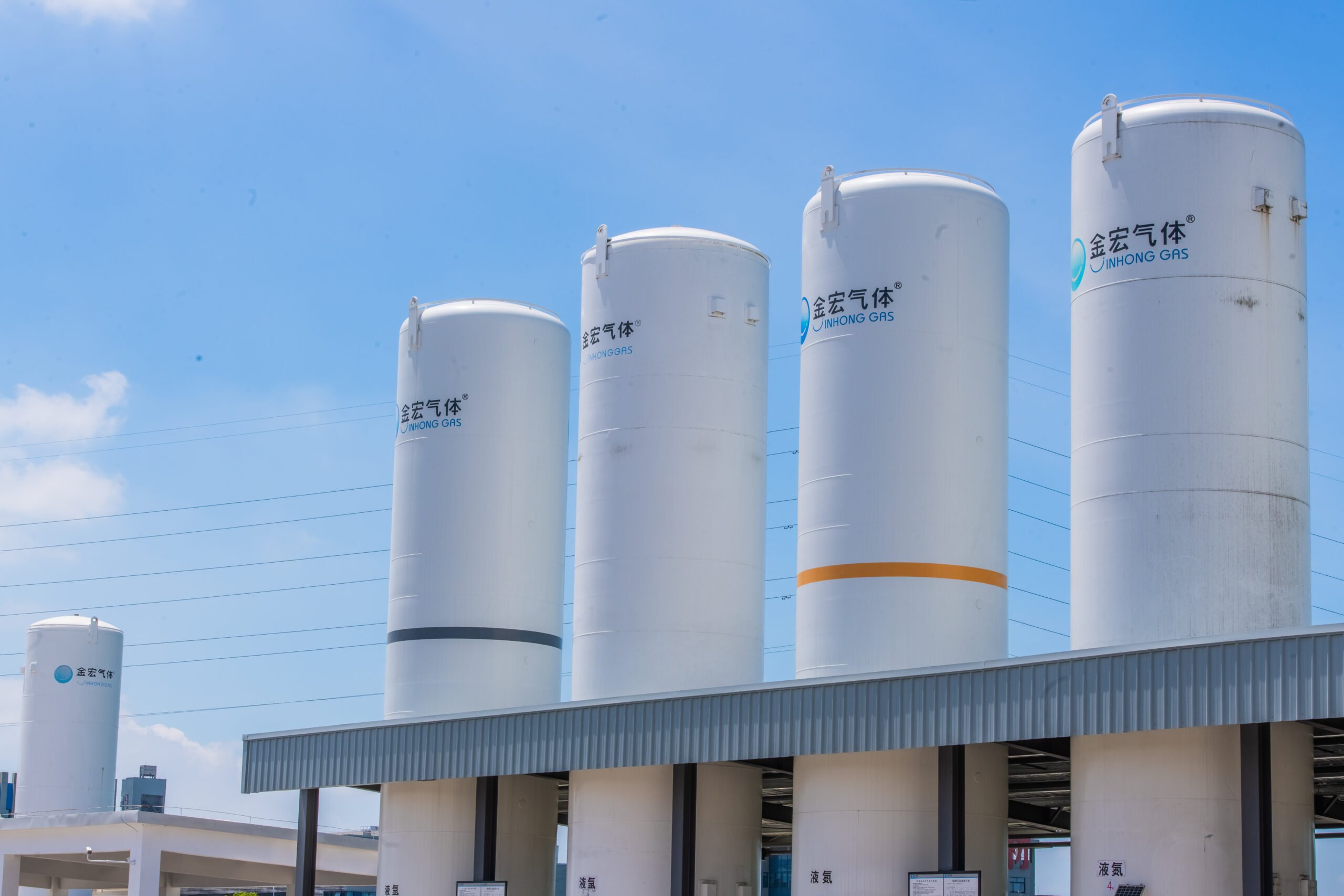
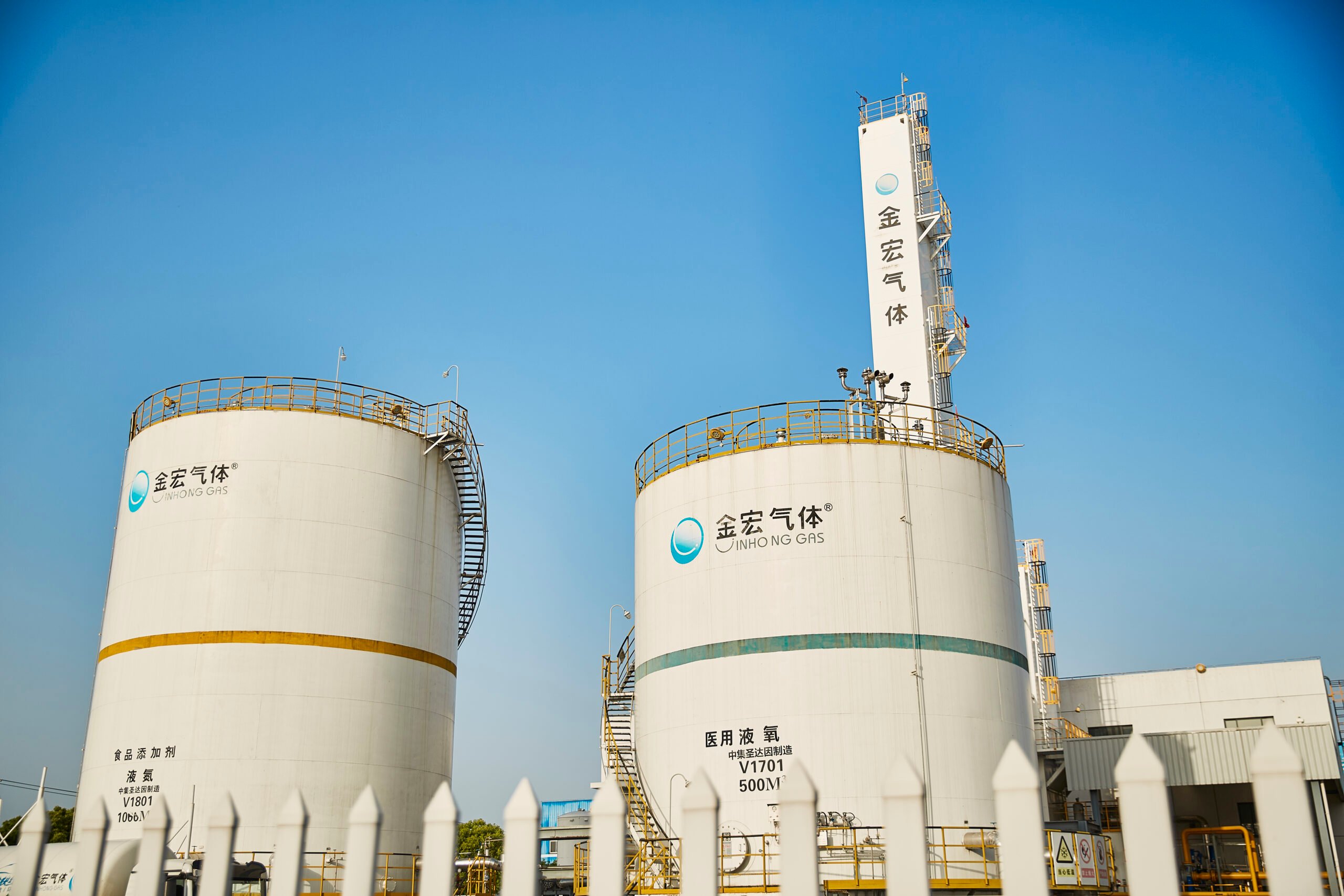
Jinhong Gas is a professional supplier of electronic specialty gases, providing high-purity silane, nitrogen, hydrogen, helium, and other advanced gas solutions for the semiconductor, photovoltaic, LED, and new energy industries. Our silane products are manufactured under stringent quality control systems to meet the demanding requirements of advanced deposition and thin-film processes.
With extensive experience in gas safety engineering, supply chain management, and technical support, Jinhong Gas is committed to delivering safe, stable, and high-performance gas solutions that support our customers’ innovation and long-term growth.
 English
 Indonesian
 Korean
 Japanese
 Malay
Malay German
 Spanish
 French
 Portuguese
 Arabic
 Italian
 Polish
 Dutch
Dutch Vietnamese
 Russian